In this edition
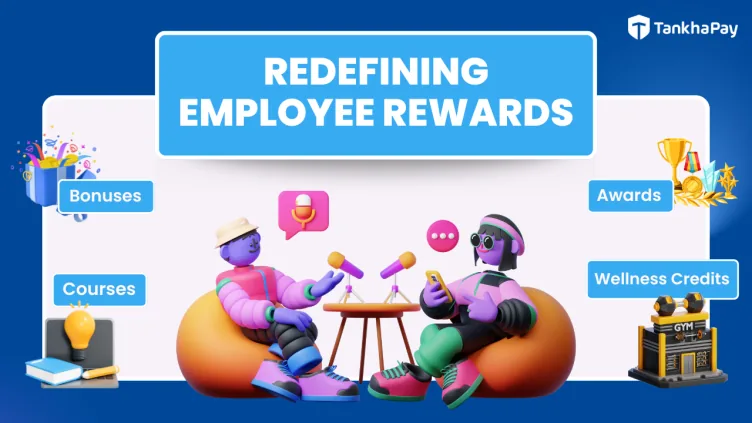
The modern workforce doesn’t just work for money, they work for meaning, growth, and recognition.
Today, employees measure value in experiences, learning, flexibility, and financial empowerment. Organisations that embrace this shift don’t just retain talent, they cultivate loyalty, innovation, and performance.
Here’s a fresh approach to designing rewards that truly matter.
1. Make Money Matter: Smarter & Tax-Savvy
Pay isn’t enough, but pay done smartly makes a difference.
Offer NPS, PPF contributions, and corporate credit/fuel cards to boost take-home pay while staying compliant.
Enable employees to save strategically while feeling empowered in financial decisions.
Example: A company restructured annual bonuses into tax-smart contributions, employees saved up to INR 1.5 lakh a year.
Tip: Benefits that impact the wallet create immediate appreciation and long-term trust.
2. Recognition That Resonates: Every Day
Instant, visible appreciation beats yearly awards every time.
Spot rewards and peer-driven recognition platforms make achievements tangible and motivational.
Employees who feel recognised perform better, stay longer, and engage more.
Recognition isn’t just about performance, it’s about culture, belonging, and energy.
Tip: Make recognition public, meaningful, and frequent to drive lasting impact.
3. Upskilling as a Reward: Invest in Growth
Employees crave personal and professional development. Rewards that empower growth create double value.
Fund courses, certifications, or upskilling programmes. Only 24% of Indian employers do, but 84% of professionals still pursue learning.
Use structured apprenticeships (NATS) to provide stipends, certificates, and government-backed training.
Growth-focused rewards enhance retention, appraisal outcomes, and promote career advancement.
Tip: When employees see a clear path to skill development, they stick around, and grow with your company.
4. Flexibility & Lifestyle: The New Perk Frontier
Rewards today aren’t only financial, they’re experiential.
Support remote and hybrid work with internet allowances, home office stipends, or wellness credits.
Provide lifestyle benefits that make employees feel valued as people, not just contributors.
Small gestures, such as birthday experiences, wellness credits, or ergonomic equipment, create outsized loyalty.
Tip: Invest in perks that intersect work and life, happy employees deliver better results.
5. Security & Well-Being: Build Trust Daily
Financial and emotional stability are powerful rewards.
Offer Earned Wage Access to reduce stress and boost morale.
Provide Employee Assistance Programmes (EAPs) for counselling and mental health support.
Support emergency loans to help employees navigate life’s unexpected events.
Tip: Employees remember organisations that support them when it matters most.
The Takeaway
Rewards and benefits are no longer just “nice-to-haves.” They are strategic levers for engagement, retention, and performance. When employees feel valued, financially, emotionally, and developmentally, they don’t just stay, they thrive.
TankhaPay helps companies design reward strategies that empower employees to learn more, earn smarter, and live better.
Action Step for HR Leaders:
Ask yourself: Which rewards will truly make your employees feel empowered? Start with one meaningful change this month, and watch engagement grow.
Does this change anything in your own payroll setup?
Our team can review your current payroll and compliance process against the rules covered in this edition. You get a clear view of where you stand, with no obligation to switch anything.