In this edition
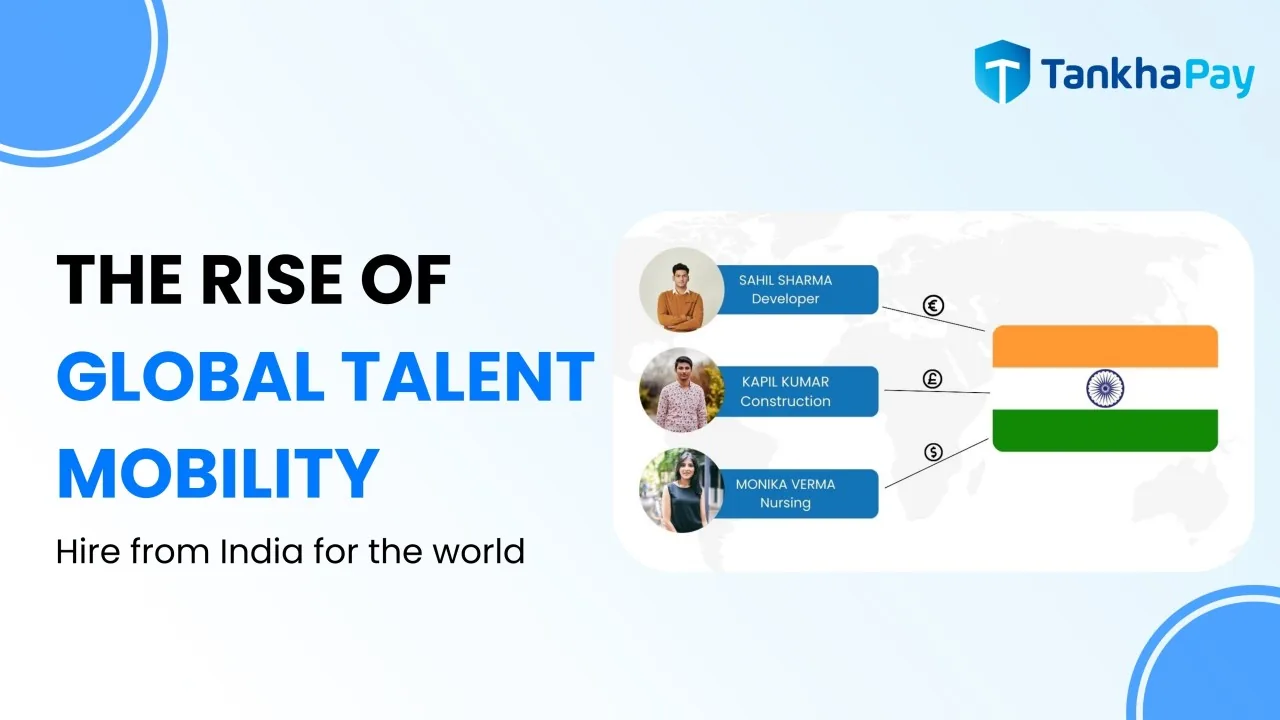
Something has fundamentally changed in 2026. Now, global mobility is no longer treated as an HR function. It is evolving into workforce infrastructure, a strategic capability that determines how quickly organisations can expand, deploy talent, and respond to global economic shifts.
A few numbers highlight this shift:
The global talent mobility market is projected to exceed $1.2 trillion by 2030 as companies increasingly rely on cross-border talent movement.
Nearly 85% of organisations say talent shortages are impacting their growth plans.
Meanwhile, over 40% of multinational companies plan to increase cross-border hiring and international assignments in the next three years.
How Global Hiring Is Changing
Traditionally, companies expanded into new markets first and then hired local talent. That model is now shifting. Increasingly, organisations are identifying global talent pools first and building operations around them.
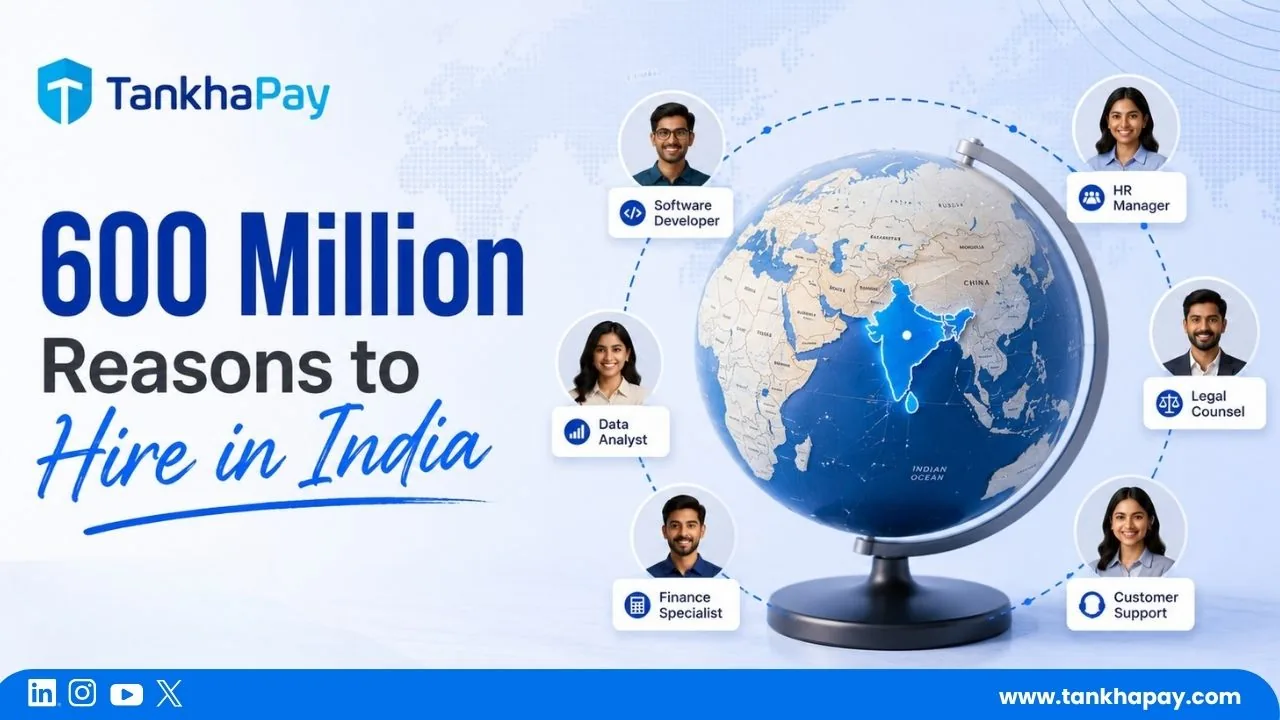
India has emerged as one of the most significant sources of globally deployable talent. The country produces over 1.5 million engineering graduates every year and hosts more than 1,700 Global Capability Centres (GCCs) employing over 1.9 million professionals.
Many of these GCCs are no longer limited to back-office operations. They are evolving into global innovation and strategic capability hubs. Industry estimates suggest that by 2030, India’s GCC workforce could exceed 2.5 million employees. As organisations expand internationally, access to mobility-ready talent is becoming a major strategic advantage.
Challenges of Moving Talent Across Borders
While the opportunities created by global mobility are widely discussed, the operational complexity behind it is often overlooked. Moving talent globally is like navigating through a complex web of rules and workforce policies. Organisations have to manage different parts of the process at the same time, such as:
Work authorisation and immigration policies
Statutory and local labour laws
Cross-border payroll taxes
Cultural assimilation and readiness for productivity
Employment classification and documentation
Any small error in the process can cause legal consequences, fines, and even business downtime. Hence, the current trend in talent mobility is shifting away from hand-holding approaches and moving towards more systematized workforce solutions.
Why Skill-Based Mobility Is Increasing
Another emerging trend is skill mobility, the ability to move specialised expertise across borders quickly. Across industries such as technology, manufacturing, healthcare, and energy, organisations are facing acute shortages of niche talent. According to global workforce studies, 77% of employers report difficulty filling specialised roles worldwide.
Highly technical roles can remain vacant for four to six months or longer, slowing innovation and business growth.
In response, many organisations are using global mobility programmes not just to relocate employees but to deploy scarce expertise precisely where it is needed. In this model, mobility becomes a strategy for global talent distribution.
Preparing Professionals for International Work
A common misconception is that global mobility is simply about relocating employees. In reality, the bigger challenge is ensuring professionals are fully prepared to succeed in new international work environments.
Research on expatriate assignments suggests that 30–40% of international assignments fail or end prematurely, often due to cultural adjustment issues, communication barriers, or lack of preparation for local workplace expectations. Professionals moving across borders for different roles must adapt to:
New labour regulations and compliance requirements
Multicultural teams and diverse work environments
Language and communication differences
Different productivity standards and work cultures
Without adequate preparation, these challenges can reduce the effectiveness of mobility programmes and lead to costly disruptions for organisations. This is why many companies are investing in workforce mobility service providers that prepare professionals for global roles before deployment.
How Organisations Build Globally Ready Talent
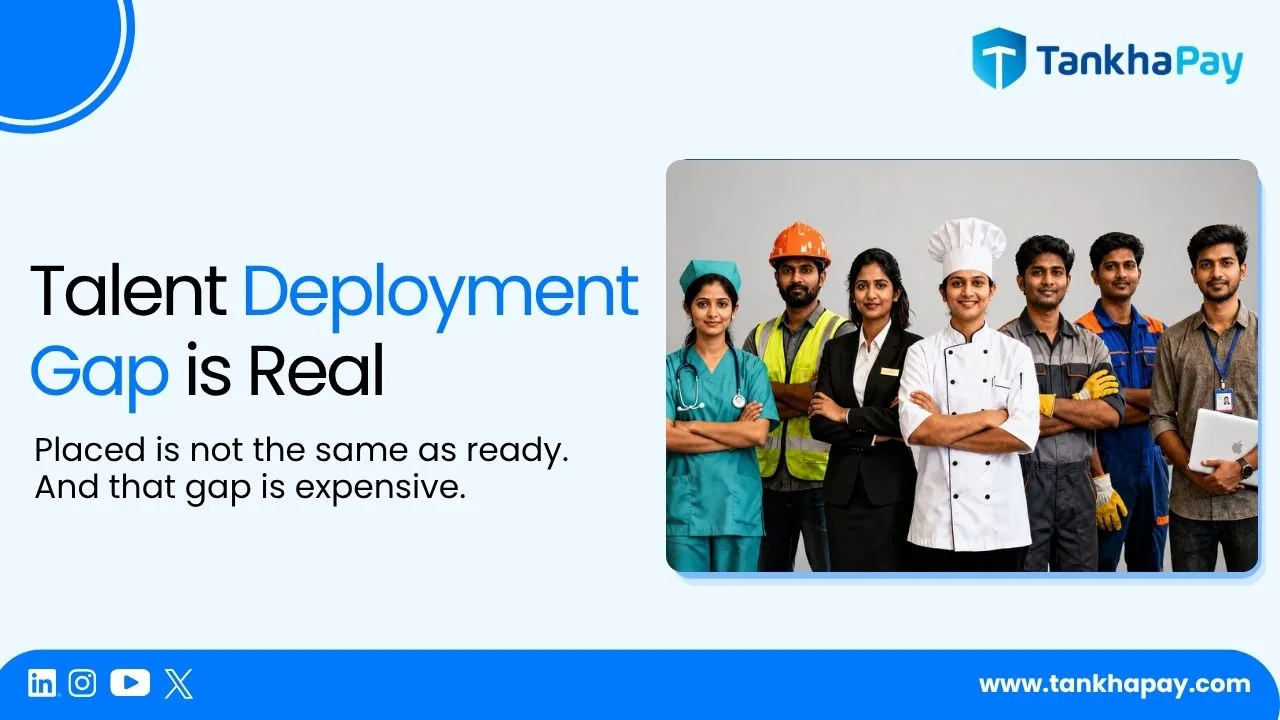
For organisations expanding internationally, access to workforce-ready talent is becoming just as important as access to talent itself. At TankhaPay, global mobility initiatives focus on helping organisations access professionals who are prepared for international work environments. These programmes emphasise readiness across several areas:
Job-specific preparation aligned with overseas role requirements
Language and cultural readiness for diverse global teams
Candidate screening and skill validation to ensure deployable expertise
Administrative and documentation support for international workforce movement
The objective is not just talent mobility but talent readiness for global opportunities.
The Next Phase of Global Mobility
Global mobility is evolving rapidly as organisations rethink how and where they access talent. Several key trends are shaping the next phase of workforce movement worldwide.
Distributed organisations: Companies are increasingly operating with globally distributed teams rather than fixed geographic headquarters. According to global workforce reports, over 70% of organisations now support distributed or hybrid work models, enabling talent to contribute from different parts of the world.
Regulatory fragmentation: Countries are tightening labour laws, visa rules, and cross-border taxation policies. This has made international hiring and workforce mobility more complex, requiring organisations to navigate multiple compliance frameworks simultaneously.
Global skill shortages: Talent shortages are pushing organisations to hire beyond domestic markets. Around 77% of employers globally struggle to fill critical roles, making international talent mobility a key strategy for business growth.
Workforce digitisation: Digital workforce platforms and HR technologies are making cross-border hiring, payroll management, and compliance administration more efficient and scalable.
In this environment, organisations that build structured mobility strategies will gain a clear advantage. In today’s economy, growth is no longer limited by capital or markets, it is increasingly defined by how quickly companies can access and deploy the right talent globally.
Global mobility is no longer about relocation. It is about creating a workforce that can operate anywhere opportunity exists. And for forward-looking organisations, that capability will define the next decade of global growth.
Does this change anything in your own payroll setup?
Our team can review your current payroll and compliance process against the rules covered in this edition. You get a clear view of where you stand, with no obligation to switch anything.