How long has your most important open role been sitting unfilled?
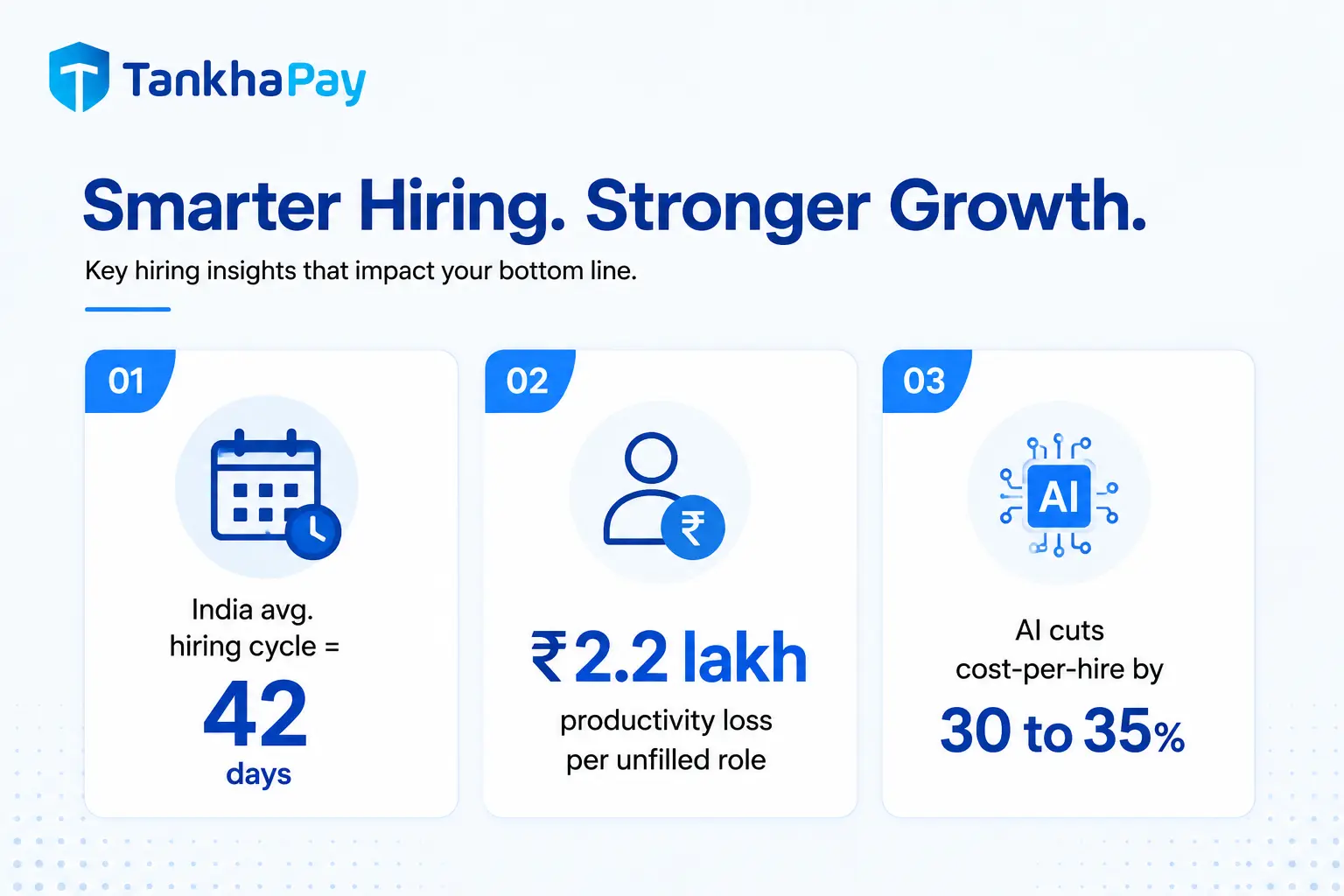
In India, the average mid-senior position takes 42 days to fill. At a ₹20 LPA salary, that is ₹5,300 in lost output every day the seat is empty. That adds up to ₹2.2 lakh in productivity loss per vacancy before you spend a single rupee on recruitment.
The founders who close the same roles in 7 to 10 days are not lucky. They are using AI staffing solutions, and the gap between their hiring speed and yours is growing every quarter. This guide breaks down what AI staffing solutions actually do, how they work in the Indian context, and what to check before you commit to one.
What Are AI Staffing Solutions?
AI staffing solutions are tools and services that use artificial intelligence to find, screen, and match job candidates faster than a human recruiter can. They filter resumes, score candidates, schedule interviews, and send follow-ups automatically, without your HR team doing it manually.
Two types show up most often in the Indian market:
- AI-powered recruitment services are agencies or platforms that use AI in their process to place candidates with your business.
- Workforce automation solutions are software tools your internal team uses to run the hiring pipeline with less manual work.
Most Indian founders mix these up. The difference matters because one replaces an agency and the other replaces a process. Neither replaces your judgment on who to hire. What they do is cut the time it takes to get to that decision.
“The real opportunity with AI is not replacing people. It is helping people make better decisions, faster.”
– Josh Bersin, Global HR Industry Analyst
Why Indian Founders Are Paying Attention Now
Hiring Cycle Is Too Long and Too Expensive
On average, the hiring process in India takes around 42 days for an intermediate-level position. If you go for AI recruitment services, this process can be shortened by 25% to 50%. While some organizations manage to lower the period from 27 days to 7 days (AllAboutAI, 2026), in the case of a startup firm, missing a vital hire for a month is a lot more than statistics.
The Right Candidates Already Have Three Other Offers
The talent gap of India’s tech sector was 44% in the year 2025. The compensation increased by 18% in the year 2025. The candidates you want are not sitting around. Usually the first business to get to them is not necessarily the highest bidder. Smart staffing solutions cut the days between “job posted” and “first conversation” down to hours.
Agency Fees Are Eating Your Hiring Budget
Recruitment agencies in India typically collect a fee between 12 and 20% of CTC for each placement. This means that when recruiting someone with an annual salary of ₹20 LPA, the fee would be ₹2.4 to ₹4 lakh per placement. This is achieved with AI-based recruitment at a much lower cost of up to 35%.
How AI-Based Recruitment Strategies Actually Work
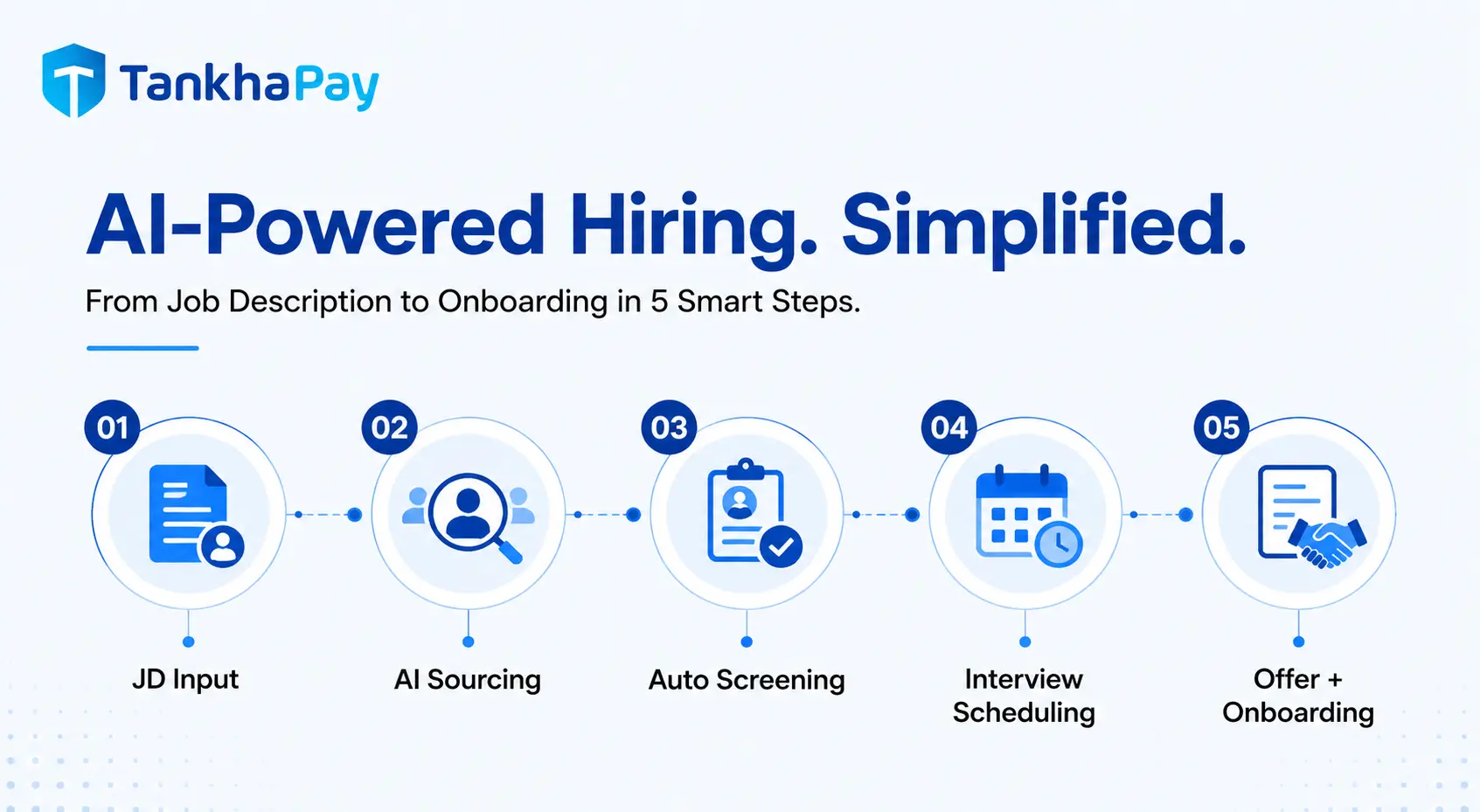
Most founders picture AI recruitment as a robot reading CVs. The reality is more useful than that. Here is how a typical AI-based hiring process runs from start to finish.
Step 1: Job brief to shortlist in hours, not days
You write your job description. AI will read it and scan all job boards, databases, and passive candidates’ pools, coming up with a ranked shortlist within 24 hours. You see the top 10 results, not 300.
Step 2: Automated pre-screening
The system sends each shortlisted candidate a short skills assessment or a set of structured questions. Responses come back scored. You only see candidates who clear your set threshold, not everyone who clicked apply.
Step 3: Interview scheduling without the back-and-forth
The AI connects with your schedule and schedules interviews for you without a three-day exchange of emails to find a convenient slot for everyone.
Step 4: Predictive fit scoring
Before the interview, you get a score based on how well this candidate’s background matches the role requirements. You go into every conversation with data, not just a gut feeling from a junior recruiter.
Step 5: Offer and onboarding triggers
When the decision is made, the process continues with the following steps: offer letter, background check, documents. If you use a managed payroll service or Employer of Record, then the current step becomes a trigger for onboarding.
These capabilities vary significantly across platforms. Before choosing a solution, compare the top AI recruitment software in India to understand which tools offer AI resume screening, candidate matching, interview automation, and ATS integrations.
AI Staffing Solutions vs. Traditional Recruitment
| Factor | Traditional Staffing | AI Staffing Solutions Recommended |
|---|---|---|
| Average time-to-hire in India | 42 days | 7 to 12 days |
| Cost per hire (₹20 LPA role) | ₹2.4 to ₹4L in agency fees | 30 to 35% lower |
| CV screening capacity | 80 to 100 per day (human limit) | Unlimited, in minutes |
| Candidate reach | Job boards and network | Active and passive pool |
| Bias risk | High | Lower if bias-audited |
| Compliance flagging | Manual or missed | Automated alerts |
| Scalability | Tied to recruiter headcount | Scales with volume |
What to Look for in AI Recruitment Services
Not every platform is built for India. Before you sign a contract, check these four things.
1. India-Specific Compliance Built In
Are all the compliance aspects of PF, ESIC, and Professional Tax mentioned under the onboarding procedures? There are different compliance requirements for each state. The platform must be aware of the difference between the two states of Maharashtra and Karnataka professional tax slabs.
This is the loophole that most global AI-powered recruiting platforms have in India.
2. Transparent Scoring Logic
A black-box algorithm that generates rankings without an explanation should not be a selling point but rather a drawback. You need to find out from the software provider whether “you can see why Candidate A was rated higher than Candidate B”. If they fail to provide a clear answer, you’d better leave it.
3. Integration With Your Existing Systems
Workforce automation solutions are only useful if they connect to your payroll system, HRMS, and attendance platform. A tool that runs in isolation creates double data entry, which defeats the whole point of automating your hiring.
4. Replacement Guarantee and Support SLA
In case your hired employee resigns within 30 or 60 days, what is done to cover your loss? Make sure that replacement clause is included in the written agreement prior to signing it.
Types of AI Staffing Solutions: Which One Does Your Business Need?
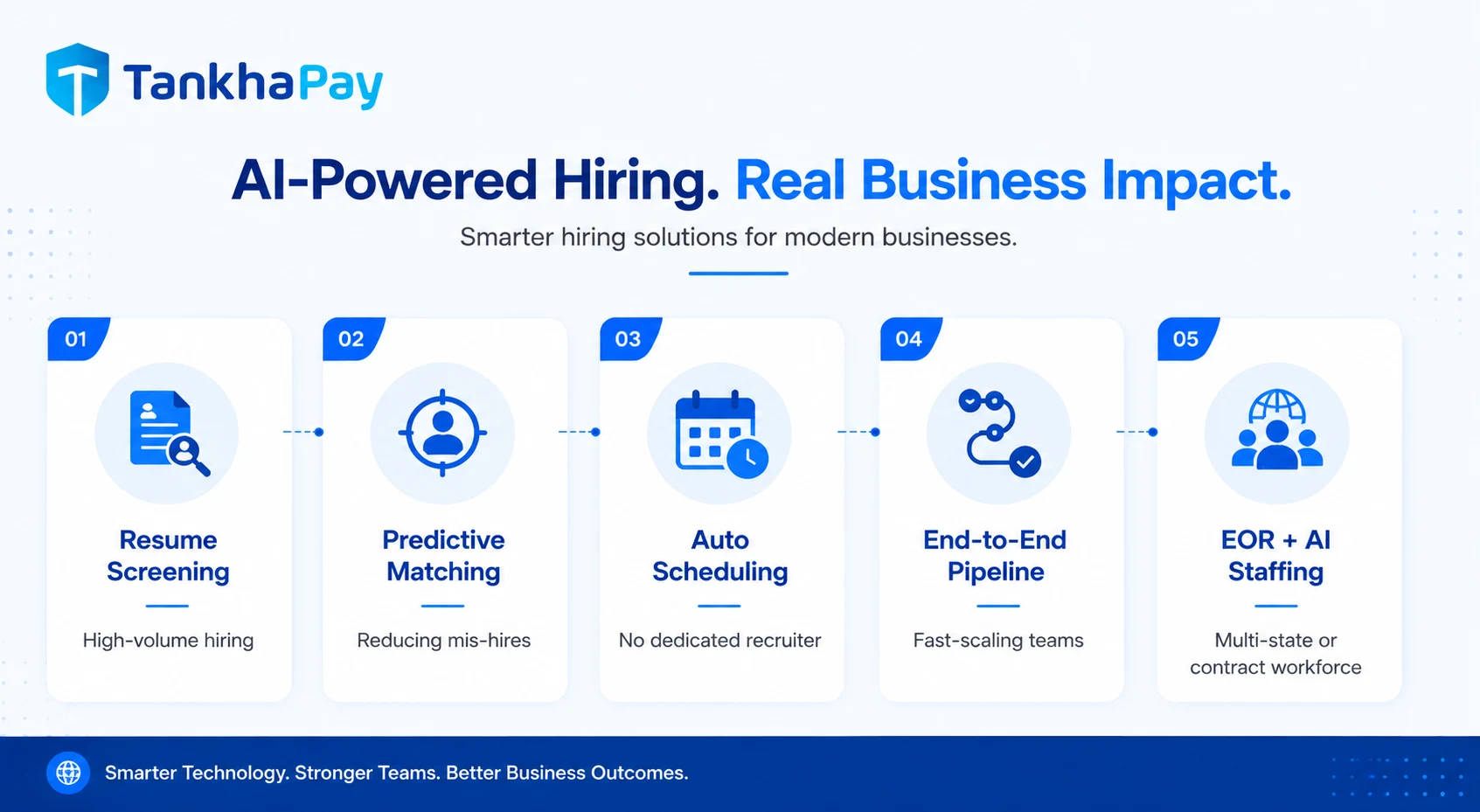
Here is a quick breakdown of the main types and what each one is built for:
- AI resume screening filters CVs against your job description automatically. Best for high-volume or repeat hiring.
- Predictive candidate matching scores candidates on role fit using historical data. Best for cutting costly mis-hires.
- Automated interview scheduling books slots without HR input. Best for businesses without a dedicated recruiter.
- End-to-end AI-based recruitment strategies run the full pipeline from job description to offer letter. Best for fast-scaling teams that need speed above everything else.
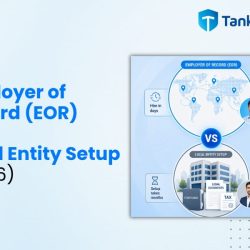
- EOR combined with AI staffing handles hiring, onboarding, and compliance in one place. Best for multi-state teams, contract workers, or businesses that are hiring before their entity is fully set up.
When your company employs contract labourers or runs businesses in several different states, this is the last choice that many entrepreneurs tend to overlook. This is because it takes care of both issues at once and prevents the need to use two different vendors for one new hire.
Three Mistakes Founders Make With AI Staffing
1. Using It Only for Bulk Hiring
Founders use AI staffing for volume jobs such as delivery personnel or BPO executives, while continuing to use staffing firms for senior-level jobs. This practice is flawed. Return on investment for AI staffing services works best when used for middle-senior-level employees, where staffing firm fees are maximum and where a bad hire will be most expensive. It’s your ₹30 LPA engineer that fits this bill.
2. Not Tracking a Baseline First
If you have no idea what your cost per hire or time to fill is currently, you won’t know if there’s been any improvement. Take a week to pull your numbers from your last five hires, and that will be your baseline.
3. Picking the Cheapest Tool Instead of the Right One
AI staffing solutions come in a wide variety of pricing, starting from monthly SaaS solutions that cost ₹3,000 to managed solutions which may be upwards of ₹50,000 per month. If you end up buying a cheaper solution which is non-compliant, you may actually end up spending more on fines.
Wrapping Up
AI staffing solutions are not a magic fix. They are a process upgrade.
If your current hiring is slow, expensive, or producing poor fits, then switching to AI-based recruitment tools will bring you a more efficient structure than a quick fix. 93% of HR recruiters plan to enhance their use of AI by 2026 (DemandSage). Those who will implement this process first will be way ahead of the competition.
TankhaPay combines recruitment, staffing, and full statutory compliance management so you are not juggling three separate vendors for one new hire. Whether you need help finding candidates, managing contracts, or staying compliant across states, the process starts in one place.