
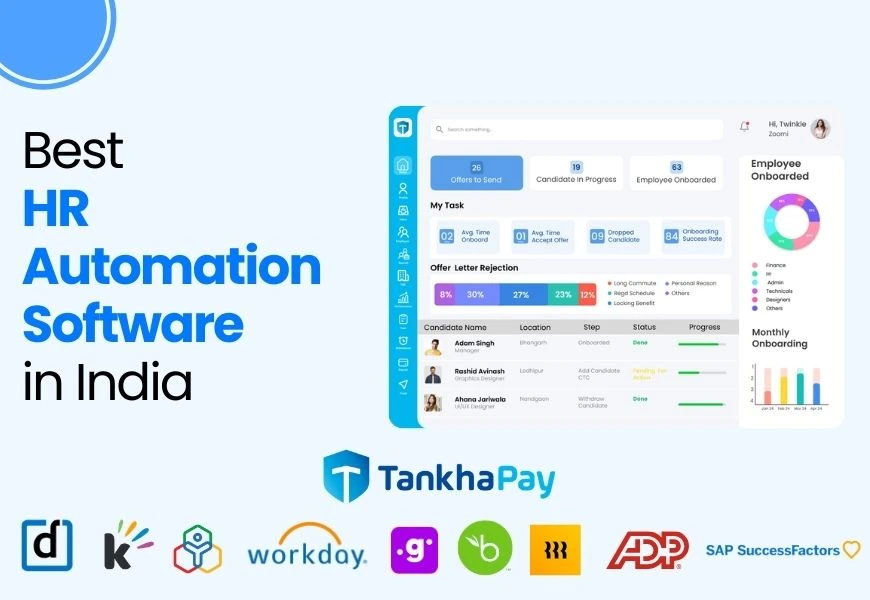
The HR departments are not considered administrative support functions or cost centers. They have transformed into strategic growth engines that have a direct impact on productivity, workforce, compliance stability, and employee experiences. Modern organizations expect HR teams to contribute to business expansion, talent retention, cultural development, and data-driven decision-making — not just manage paperwork.
However, managing critical functions such as payroll processing, statutory compliance, onboarding, attendance tracking, performance management, and employee engagement manually is no longer sustainable. The emergence of hybrid work models, remote teams, the complexity of labor laws, and the rising expectations of employees have made the traditional approach to HR inefficient and error-prone. Manual processes can result in errors in payroll, late filings of compliance, inconsistencies in data, and poor employee experiences, which can have a direct effect on the business reputation and financial stability.
This is where HR automation software becomes indispensable.
The HR automation technologies of today take the busywork out of human resources by employing intelligent workflows, cloud computing, and AI-driven insights. HR automation technologies handle everything from compliance and onboarding processes to workforce prediction and AI-driven candidate screening. HR processes have been simplified and made more accurate. Employees can enjoy self-service portals and mobile-friendly access to information. This creates a more transparent and engaging workplace.
In this comprehensive guide, you will learn:
- What HR automation software really means in 2026
- How HR process automation works
- Core features and advanced capabilities
- Benefits for startups, SMEs, and enterprises
- Latest trends in AI-based HR automation
- Top HR automation software companies
- A detailed comparison matrix
What Is HR Automation Software?
HR automation software is a feature-rich digital solution designed specifically for the automation, streamlining, and optimization of routine, rule-based HR operations. Organizations no longer depend on manual spreadsheet work, paperwork, emails, and disparate systems but instead use HR automation software to manage core HR processes.
In short, HR automation software assists in reducing human intervention in routine administrative tasks such as salary disbursement, attendance tracking, approval of leaves, employee induction, document management, compliance filing, and performance appraisal. These software solutions work on pre-defined workflows, which means that once a workflow is set up, the software automatically performs tasks based on certain conditions. For instance, when a new employee is hired, the software can automatically send out employee induction emails, assign training modules, and set up compliance documentation.
HR automation tools have moved beyond just payroll processing. Today’s tools are built on cloud platforms, employ AI-based analytics, and provide real-time reporting. They don’t just get work done, they also provide valuable information. For example, they can forecast the risk of employee attrition, assess recruitment efficiency, track workforce productivity trends, and provide compliance notifications before deadlines are missed.
Instead of manually handling:
- Payroll calculations
- Leave approvals
- Attendance tracking
- Statutory compliance
- Recruitment scheduling
The software performs these functions using predefined workflows and intelligent triggers.
In 2026, HR automation goes beyond basic payroll. It includes:
- AI-powered candidate screening
- Chatbot-based HR support
- Predictive attrition analytics
- Automated compliance alerts
- Digital document management
Evolution of HR Automation: From Payroll Tools to AI-Driven Platforms
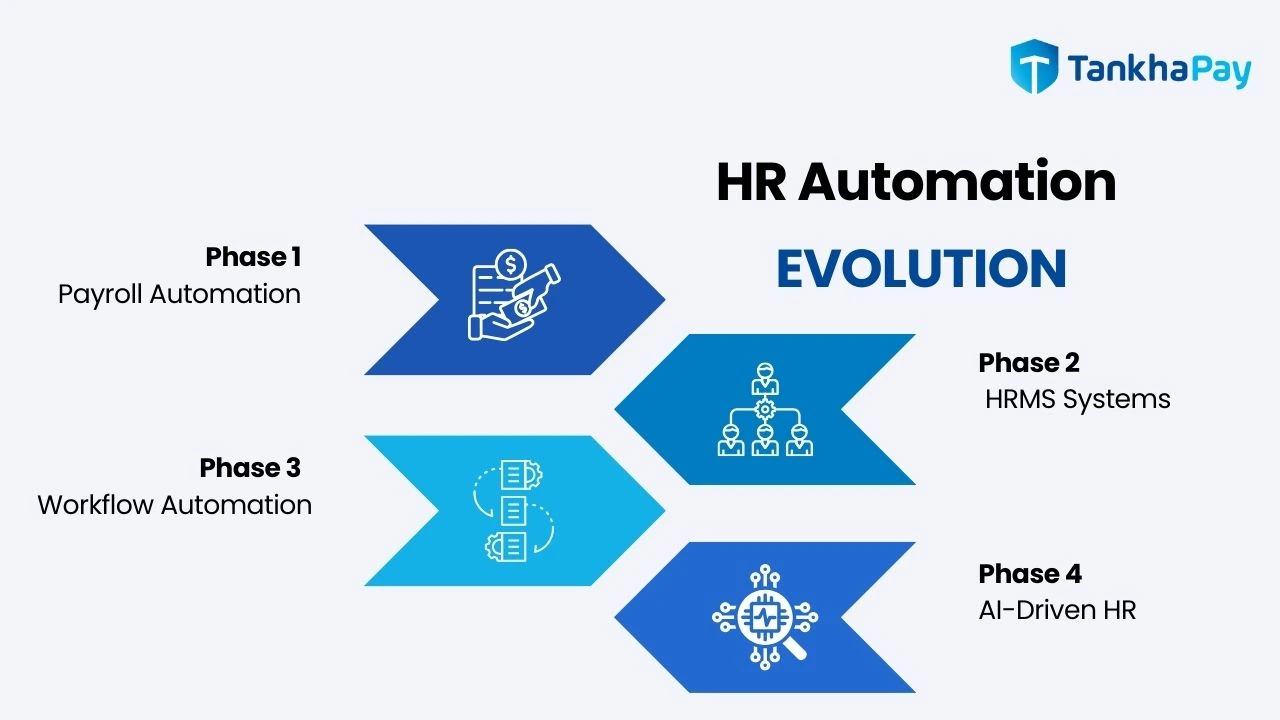
Earlier, HR automation was restricted to payroll software. Now, it encompasses:
Phase 1: Payroll Automation
Basic salary calculations and salary slip generation.
Phase 2: HRMS Systems
Attendance, leave, and employee database management.
Phase 3: Workflow Automation
Automated approvals, hiring workflows, performance cycles.
Phase 4: AI-Driven HR (2026)
Predictive analytics, HR chatbots, skill mapping, compliance intelligence.
Businesses that adopt AI-powered HR automation tools gain a strong competitive advantage.
Why HR Automation Is Critical in 2026
In 2026, HR automation is no longer a nicety or a mere competitive advantage – it has become a necessity. This is because organizations today are operating in a world characterized by hybrid work environments, a global talent base, changing labor laws, and increasing employee demands. In this dynamic world, carrying out payroll, compliance, attendance, recruitment, and performance management manually is prone to errors and penalties. On the other hand, the leadership teams also demand real-time workforce data, cost optimization, and data-driven decision-making from the HR departments.
The HR automation software solves these issues by automating repetitive tasks, improving the accuracy of compliance, minimizing administrative burdens, and providing actionable analytics. It enables businesses to respond quickly to workforce changes, scale efficiently during growth phases, and maintain operational consistency across distributed teams. Most importantly, automation empowers HR professionals to shift their focus from routine administrative tasks to strategic initiatives such as talent development, employee engagement, and long-term workforce planning — positioning HR as a true growth engine in 2026 and beyond.
Increasing Compliance Complexity
Labor laws, PF, ESI, TDS, and taxation rules are still changing. Automated compliance minimizes legal risks.
Hybrid & Remote Work Culture
Remote work attendance and payroll management demand digital automation.
Data-Driven HR Decisions
HR leaders now rely on:
- Cost forecasting of the workforce
- Attrition risk prediction
- Productivity analytics
Employee Experience Expectations
Employees expect:
- Mobile access
- Self-service portals
- Real-time leave balance
- Instant payslip downloads
Without automation, meeting these expectations is difficult.
Core Features of the Best HR Automation Software
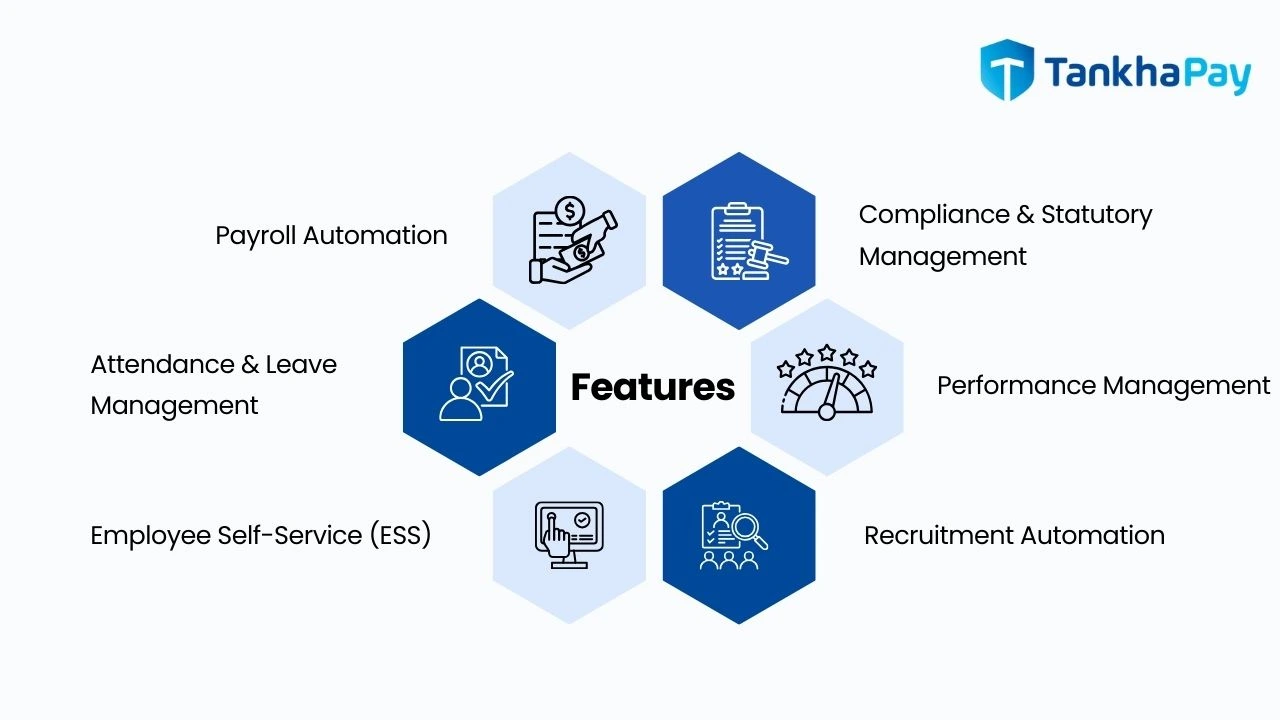
1. Payroll Automation
- Automated salary computation
- Tax deductions & compliance filing
- Direct bank transfer integration
- Payslip generation
2. Attendance & Leave Management
- Biometric integration
- Geo-fencing
- Shift scheduling
- Leave approvals
3. Employee Self-Service (ESS)
- Leave application
- Personal info updates
- Salary slip downloads
4. Recruitment Automation
- Applicant tracking system (ATS)
- Resume parsing
- Interview scheduling automation
5. Performance Management
- Goal tracking
- Appraisal workflow automation
- 360-degree feedback
6. Compliance & Statutory Management
- Automated filings
- Audit-ready reports
- Compliance reminders
7. Advanced AI Capabilities (Trending in 2026)
- Predictive hiring analytics
- Attrition risk alerts
- AI-powered HR chatbots
- Workforce optimization algorithms
Benefits of HR Process Automation
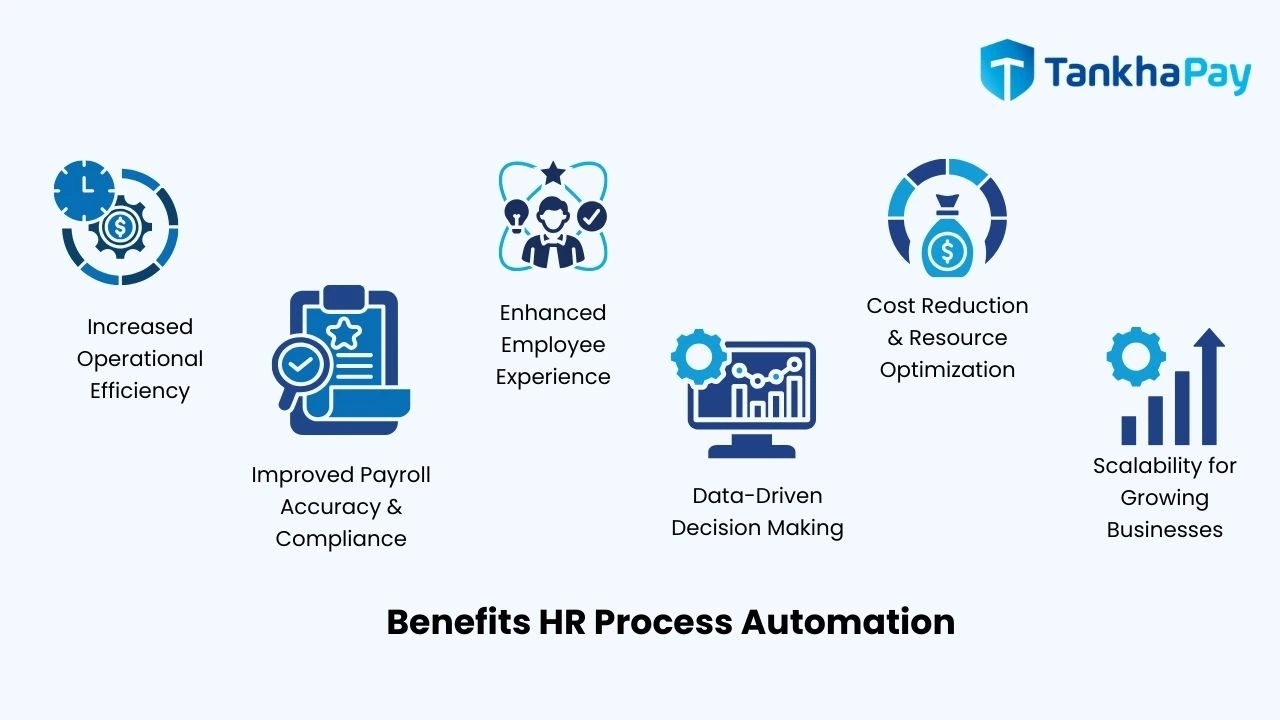
There are many advantages to the HR process, like the speed, accuracy, and overall employee experience, which can be greatly improved with the help of HR process automation. This can help reduce the chances of human errors, as many repetitive processes, like payroll, leaves, compliance, and onboarding, can be automated, reducing the overall cost of operations and ensuring compliance with regulations. Most importantly, HR automation allows organizations to scale their workforce operations smoothly and empowers HR professionals to focus on strategic initiatives rather than routine paperwork.
Increased Operational Efficiency
The smoothness of operations can be improved by automating HR processes, which takes over repetitive, tedious, administrative work. For instance, payroll calculations, leave approvals, reconciliations of attendance, etc., can all be done through automated processes with set workflows. This reduces manual intervention, speeds up processing time, and ensures smoother HR operations. As a result, HR teams can manage larger workforces without increasing administrative staff, making automation a scalable solution for growing businesses.
Improved Payroll Accuracy & Compliance
Errors in payroll processing and delayed statutory compliance may invite penalties and dissatisfy employees. HR automation helps minimize errors in salary calculations, taxes, bonuses, and mandatory contributions like PF and ESI. Automated compliance notifications and timely updates enable companies to comply with changing labor regulations. This ensures that companies avoid legal hassles and win employee trust with accurate and timely payroll processing.
Enhanced Employee Experience
Modern employees expect openness, speed, and ease of digital access. Employees can use HR process automation, which gives them self-service portals (ESS) to take care of leaves, fetch their payslips, change their details, and track their performance goals themselves. This reduces dependency on HR teams and improves communication clarity. A streamlined and responsive HR system contributes directly to higher employee satisfaction and engagement.
Data-Driven Decision Making
One of the most powerful benefits of HR automation is access to real-time analytics and workforce insights. The dashboards provide automated insights into information like attrition, labor costs, attendance, and performance. HR leaders can use this information to forecast hiring needs and improve productivity. Companies that use data, rather than manual reports, to guide HR decisions will gain a competitive edge by 2026.
Cost Reduction & Resource Optimization
Manual HR processes usually require a bigger administrative staff and operational burden. Automating processes helps to reduce manual processes and free up resources. The end result is a reduction in operational costs without compromising on efficiency. Additionally, fewer payroll errors and compliance issues also help to improve financial stability.
Scalability for Growing Businesses
As the size of the organization increases, the complexity of the human resource environment also increases. Managing 50 people is not the same as managing 500 or 5,000 people. This is where the value of human resource process automation becomes apparent, allowing organizations to scale their systems smoothly with their increasing employee count. In this context, human resource automation software is not just about providing a solution to immediate problems but also about making a long-term strategic investment.
Top HR Automation Software in 2026
As technology in the workplace continues to advance, the top HR automation software in 2026 is not just about payroll. Current payroll automation and compliance tools already integrate payroll, compliance, recruitment, performance, employee self-service, and even AI-based analytics. The top HR automation solutions are designed to support organizations of various sizes, ranging from small businesses and midsize organizations to large enterprises, with scalability, security, and compliance in mind.
In terms of what makes the best software for HR automation, some of the key considerations should include how deep the features are, how user-friendly the software is, how easy it is to implement, how well it integrates with existing systems, cost, and how well it fits within the industry. Below is a carefully selected snapshot of some of the best HR automation software of 2026 that can help organizations automate various processes and reduce administrative burdens while building more data-driven HR systems.
1️⃣ TankhaPay
Best For: SMEs and organizations where compliance is the priority
Core Strength: Payroll and Statutory Compliance Automation
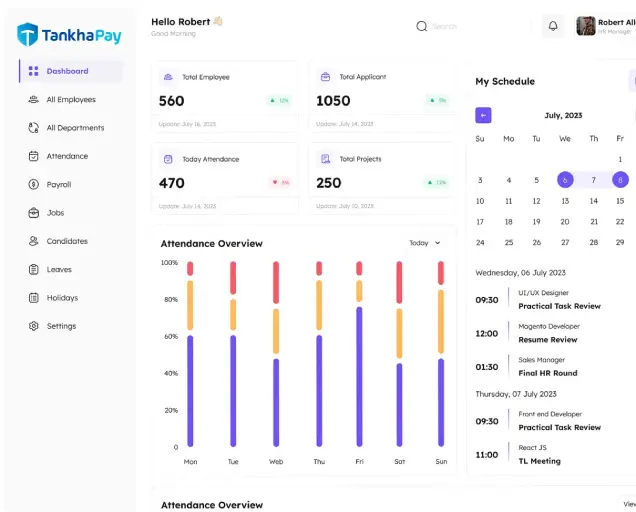
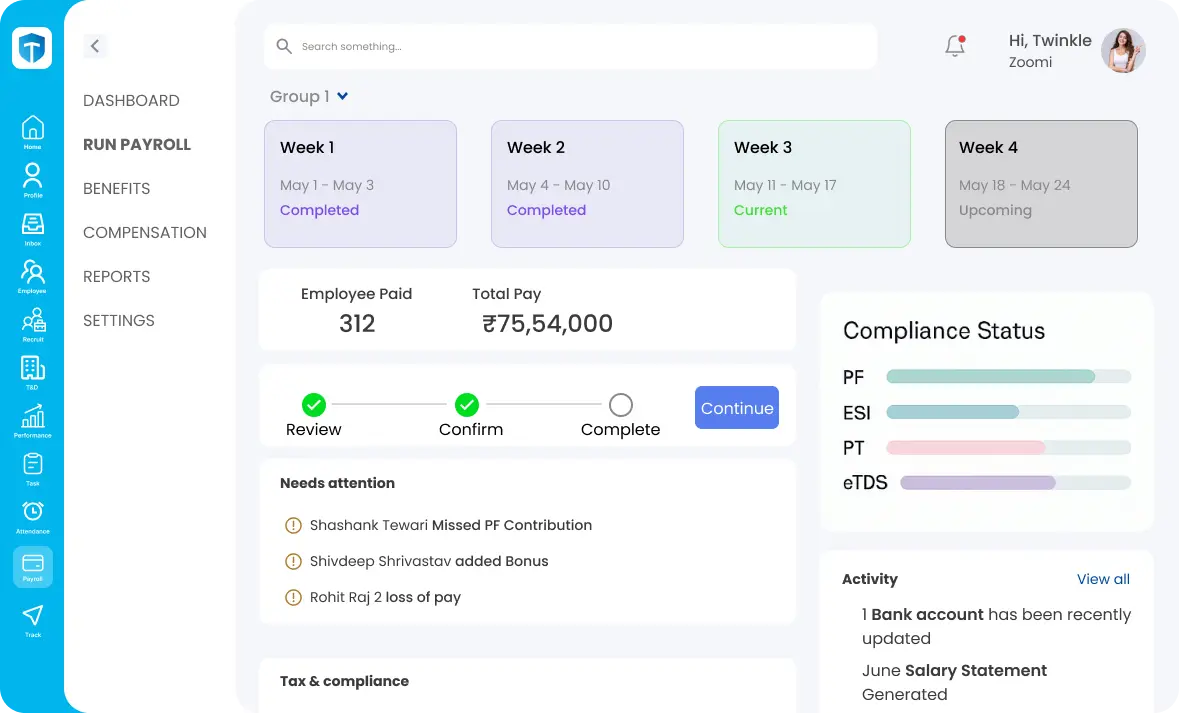
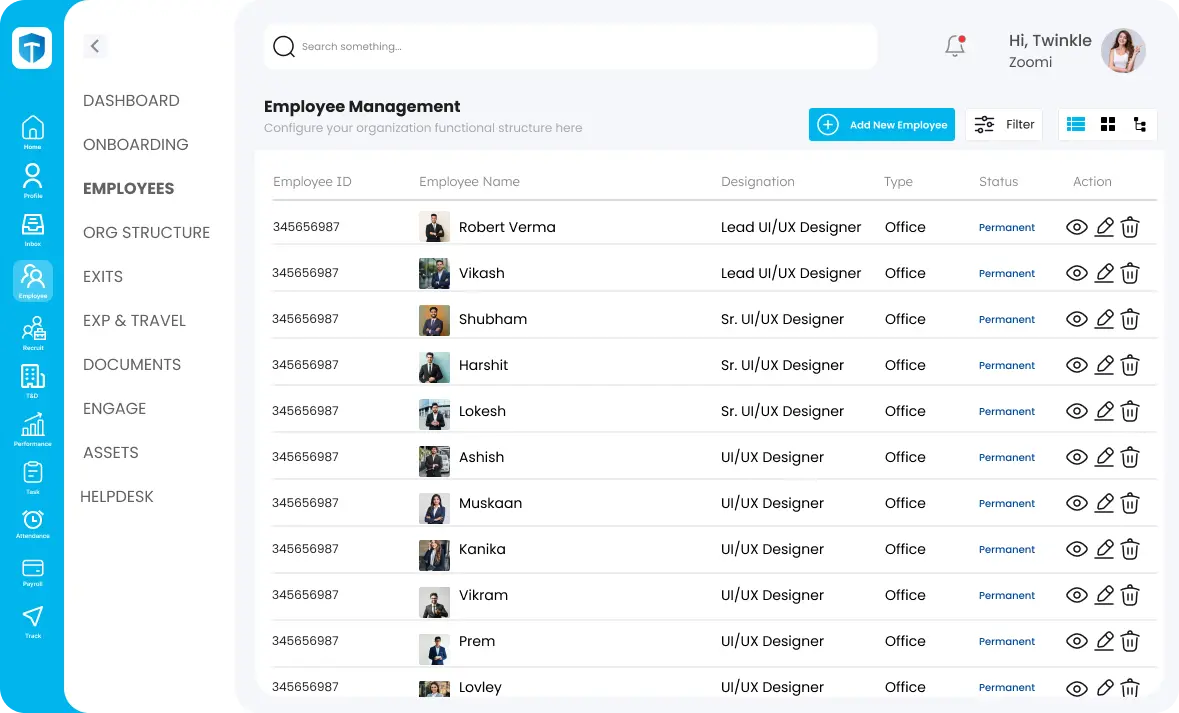
TankhaPay is a cloud-based HR and payroll automation system designed for businesses where adherence to laws and regulations is of utmost importance. The system can process salary payments, PF/ESI, attendance, and other government compliances accurately. This is particularly beneficial for Indian SMEs that have to comply with complex labor regulations without increasing the size of their HR teams. The tool provides HR insights in real-time through the use of the dashboard, ensuring the reliability of the payroll process and minimizing errors in the process.
2️⃣ Darwinbox
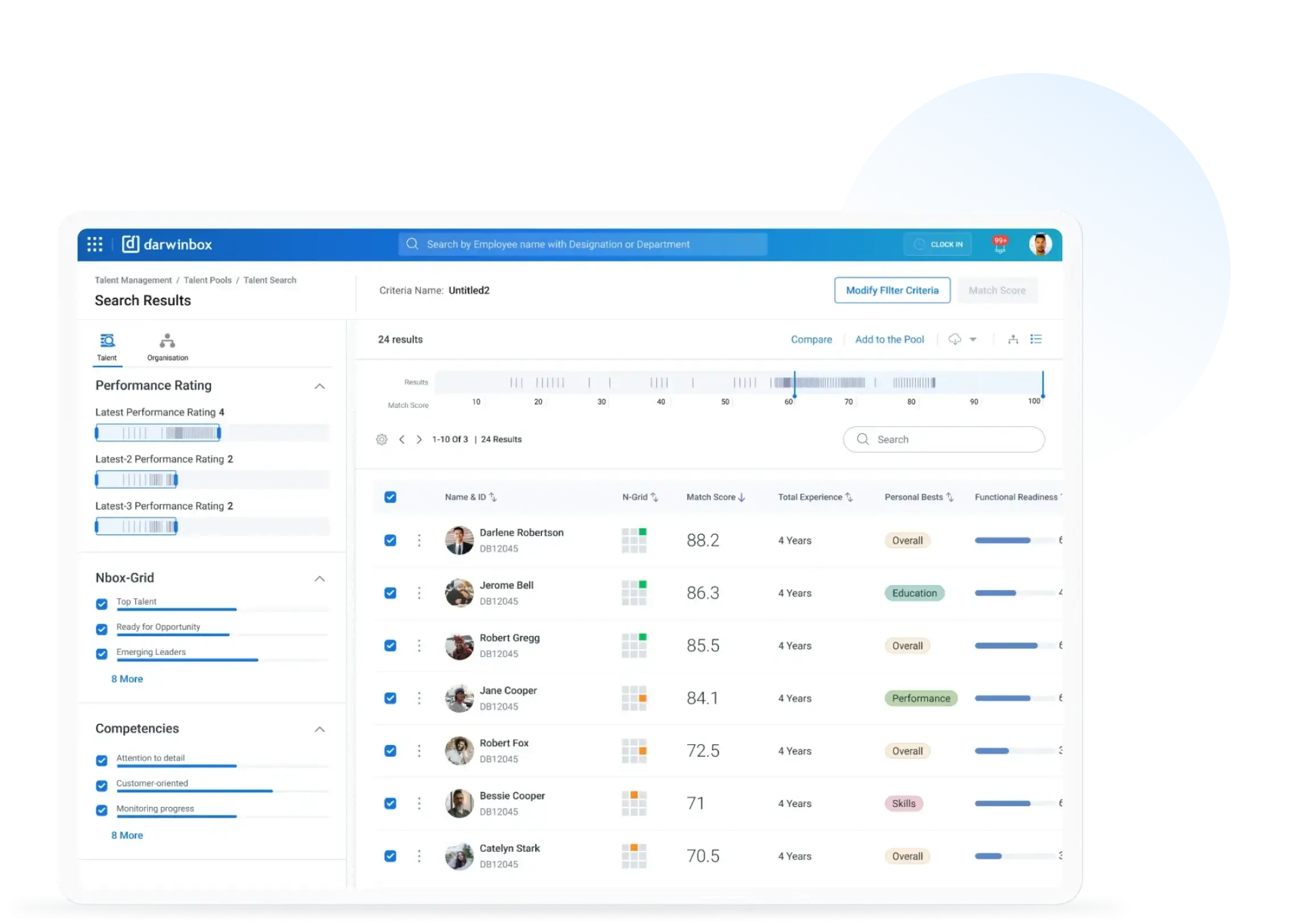
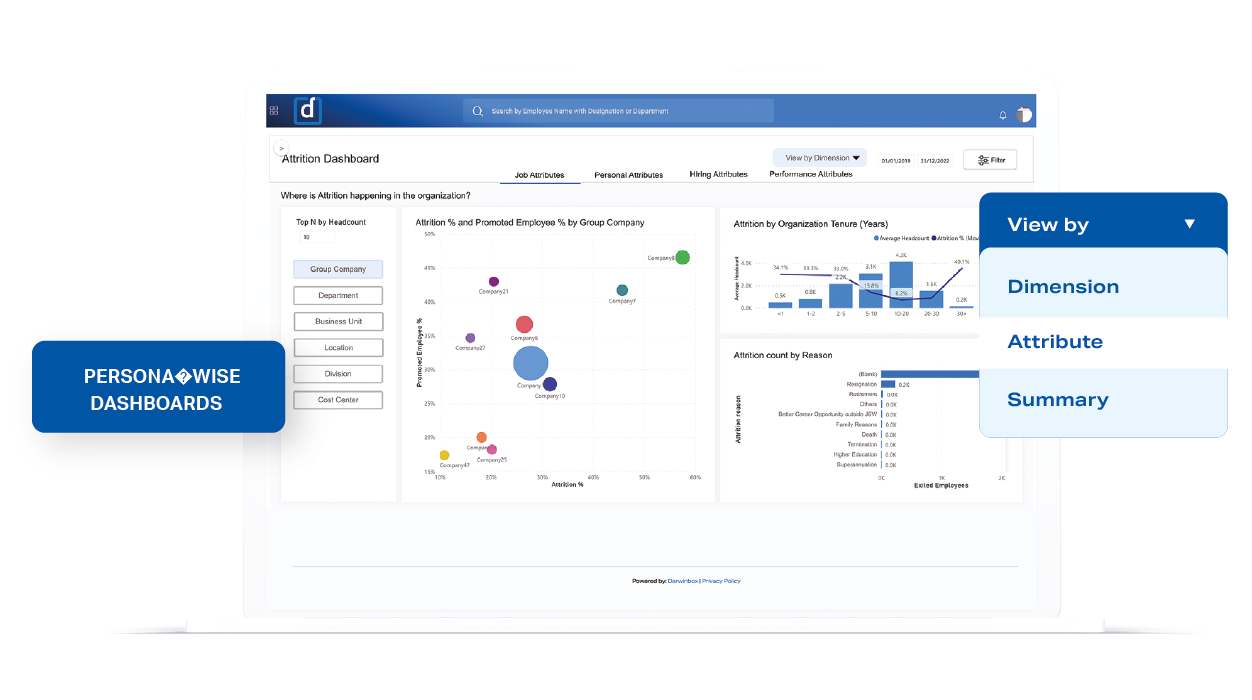
Best For: Large enterprises
Core Strength: Talent Management + AI-Driven Workforce Analytics
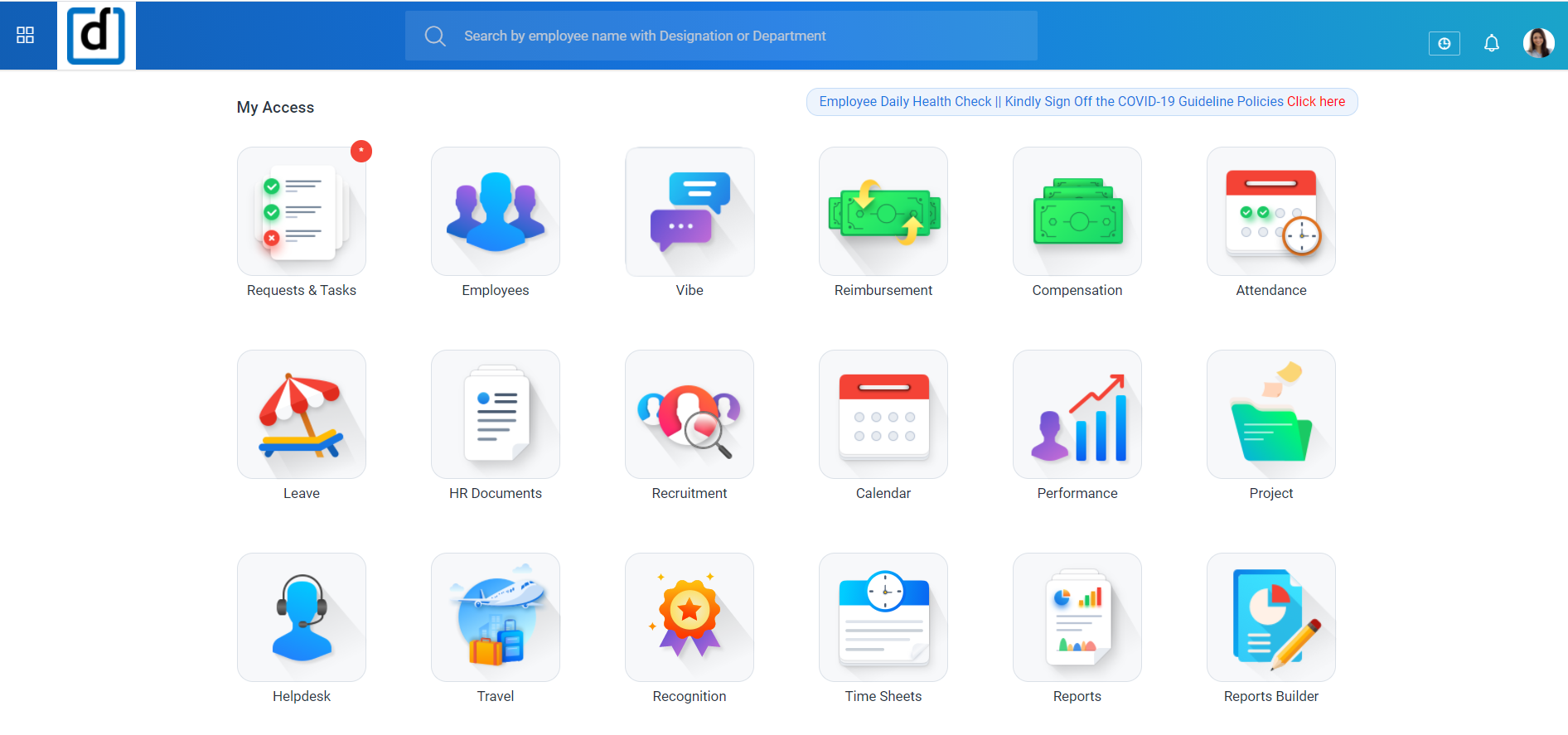
Darwinbox is an automation solution designed for large and growing organizations and addresses the entire spectrum of HR needs, from operations to recruitment and performance management, driven by AI-powered analytics. Known for its powerful reporting and modular design, Darwinbox is built to accommodate the complexities of large teams. By automating every aspect of the employee lifecycle, Darwinbox helps HR leaders make better talent decisions and improve overall organizational efficiency.
3️⃣ Keka
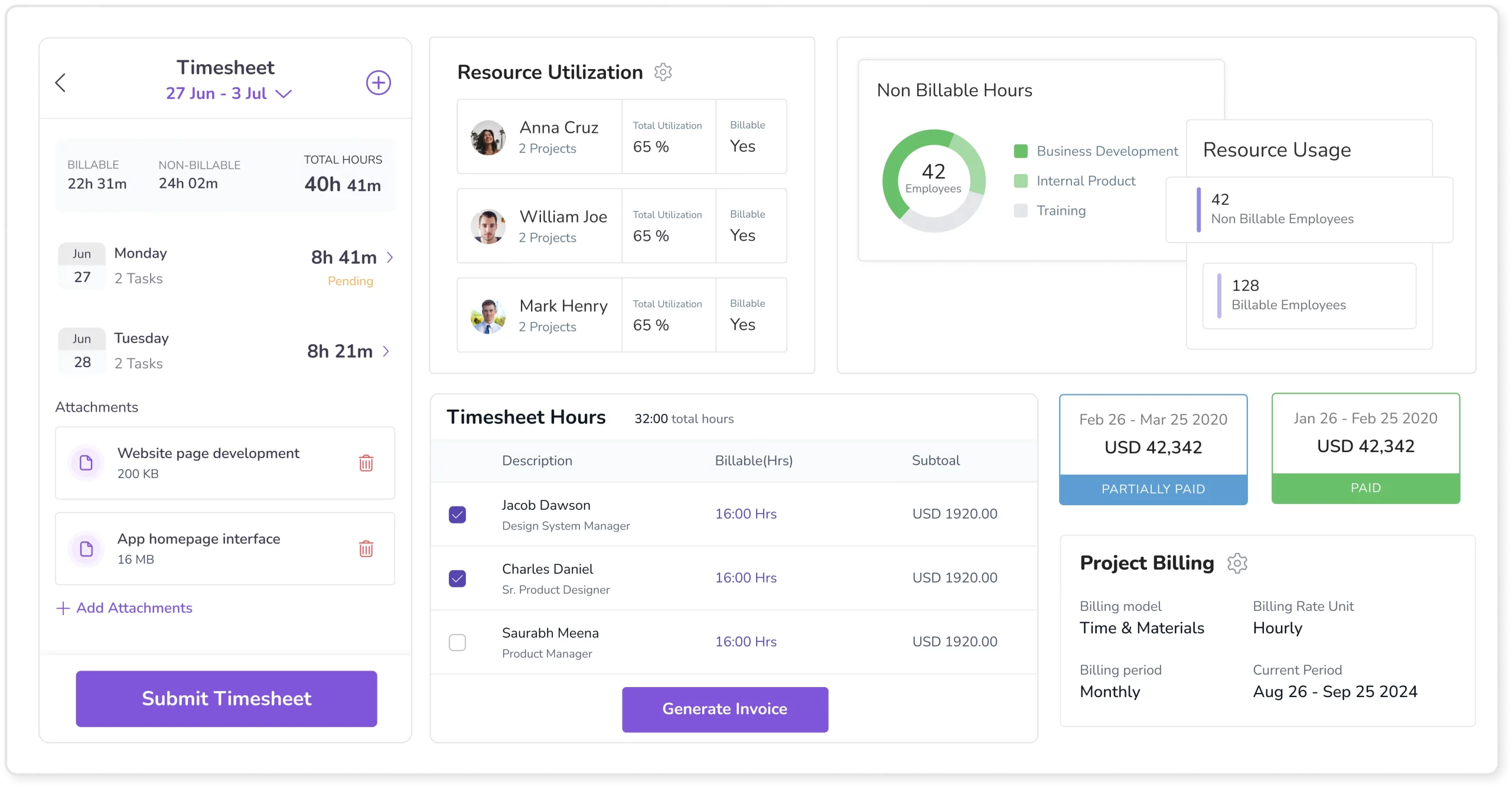
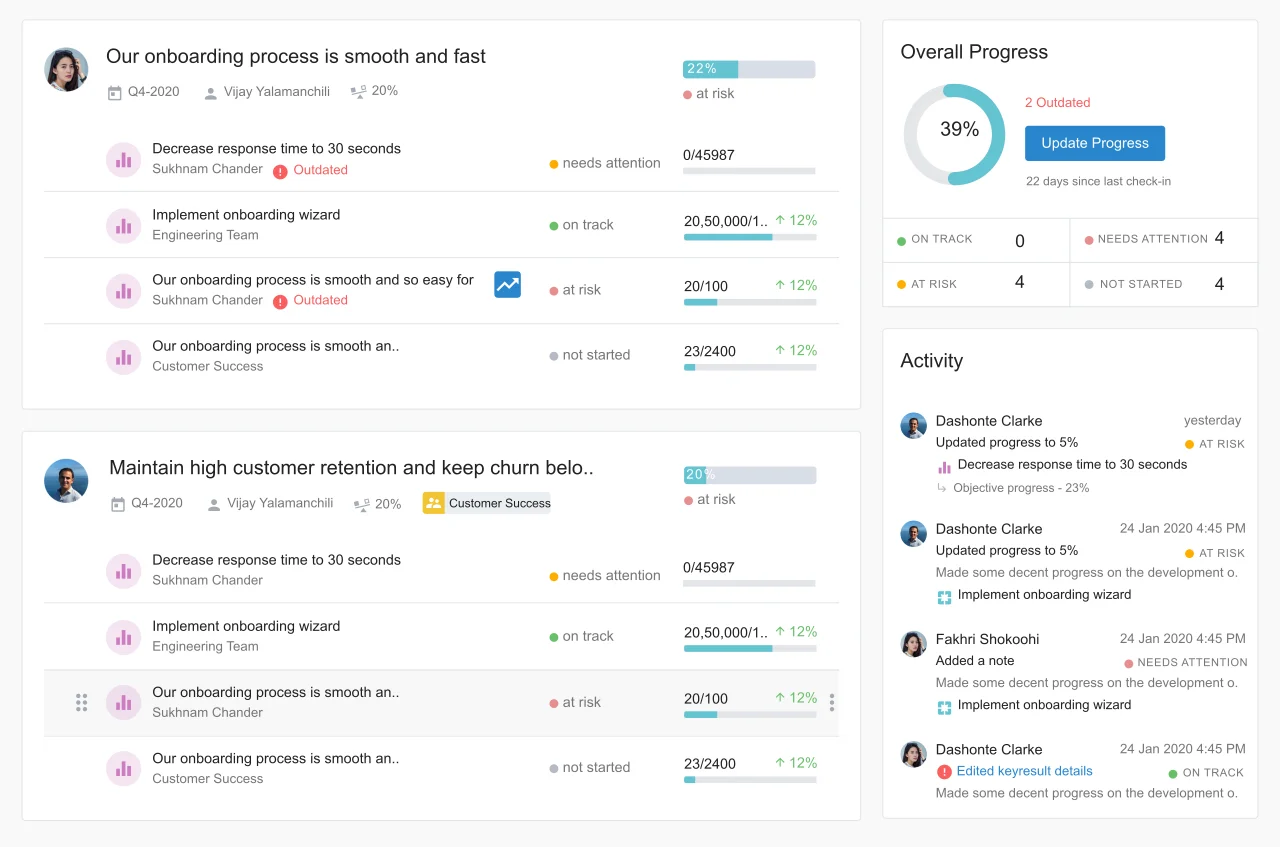
Best For: Mid-sized companies
Core Strength: Payroll + performance automation
Keka is a modern HR automation platform, especially tailored for mid-sized and growing businesses. With Keka, payroll, tax, attendance, and performance management can be easily streamlined in one place. The intuitive interface helps reduce operational burdens and increases transparency for employees through self-service platforms. Start-ups and growing businesses prefer Keka, especially because of its strong and organized HR solutions, which are not as heavy as other enterprise-level platforms.
4️⃣ Zoho People
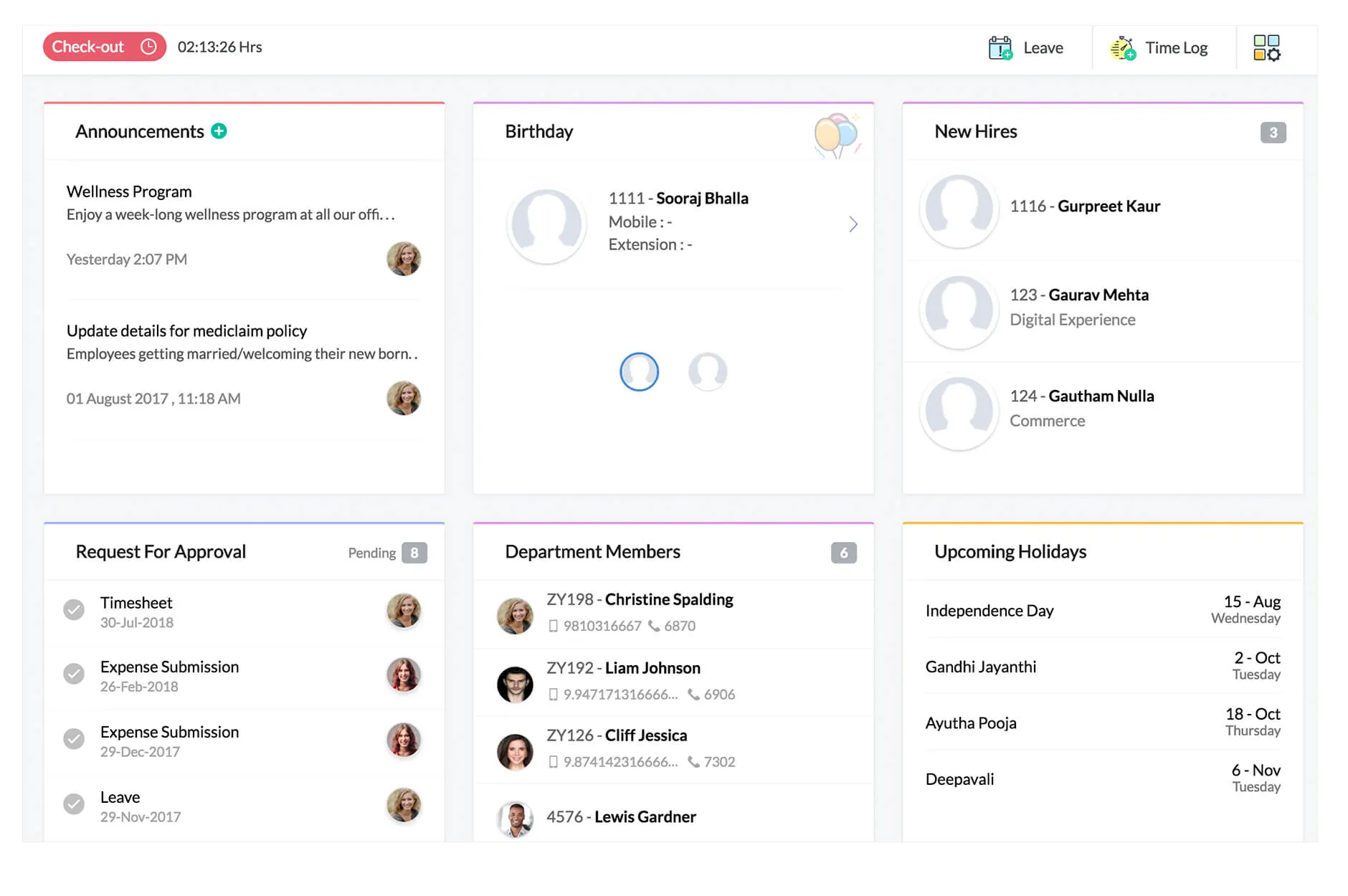
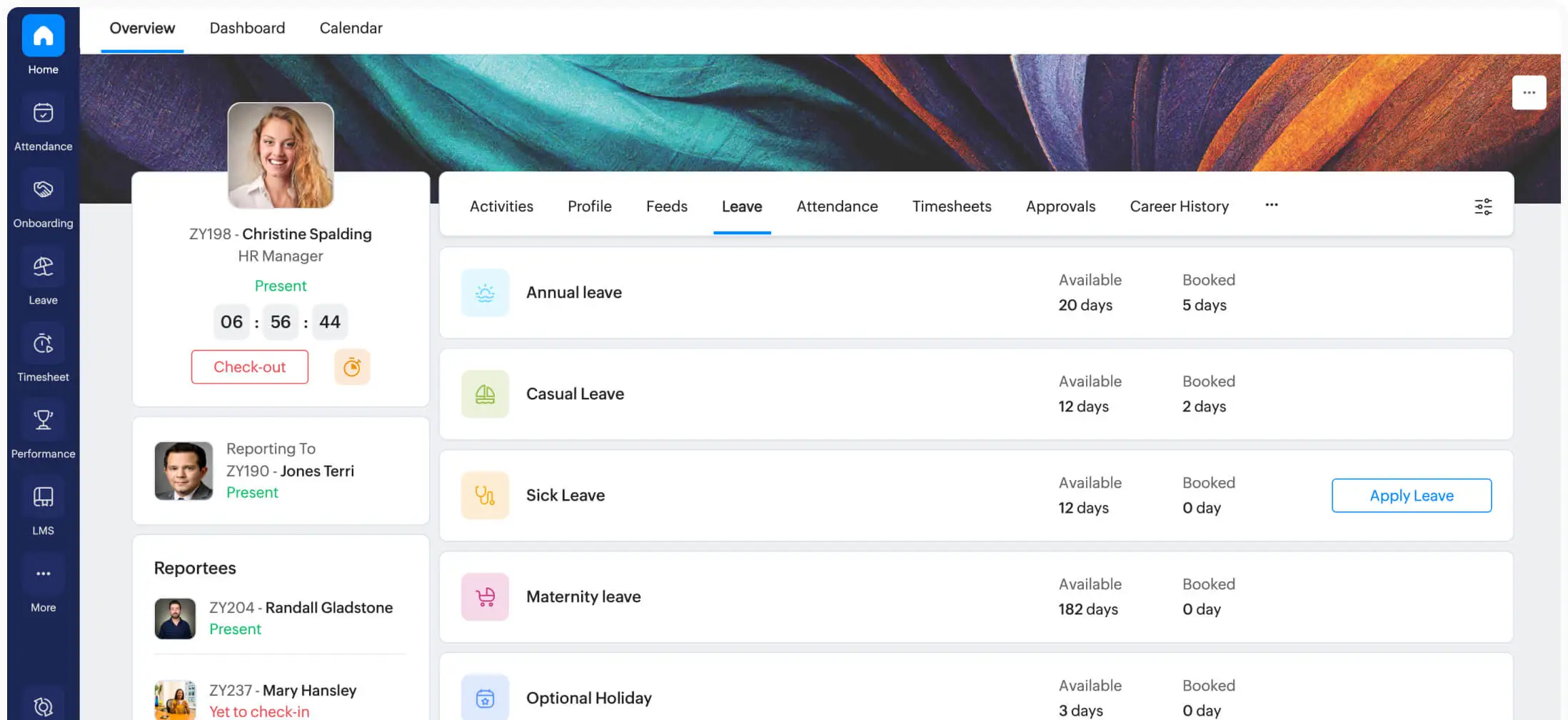
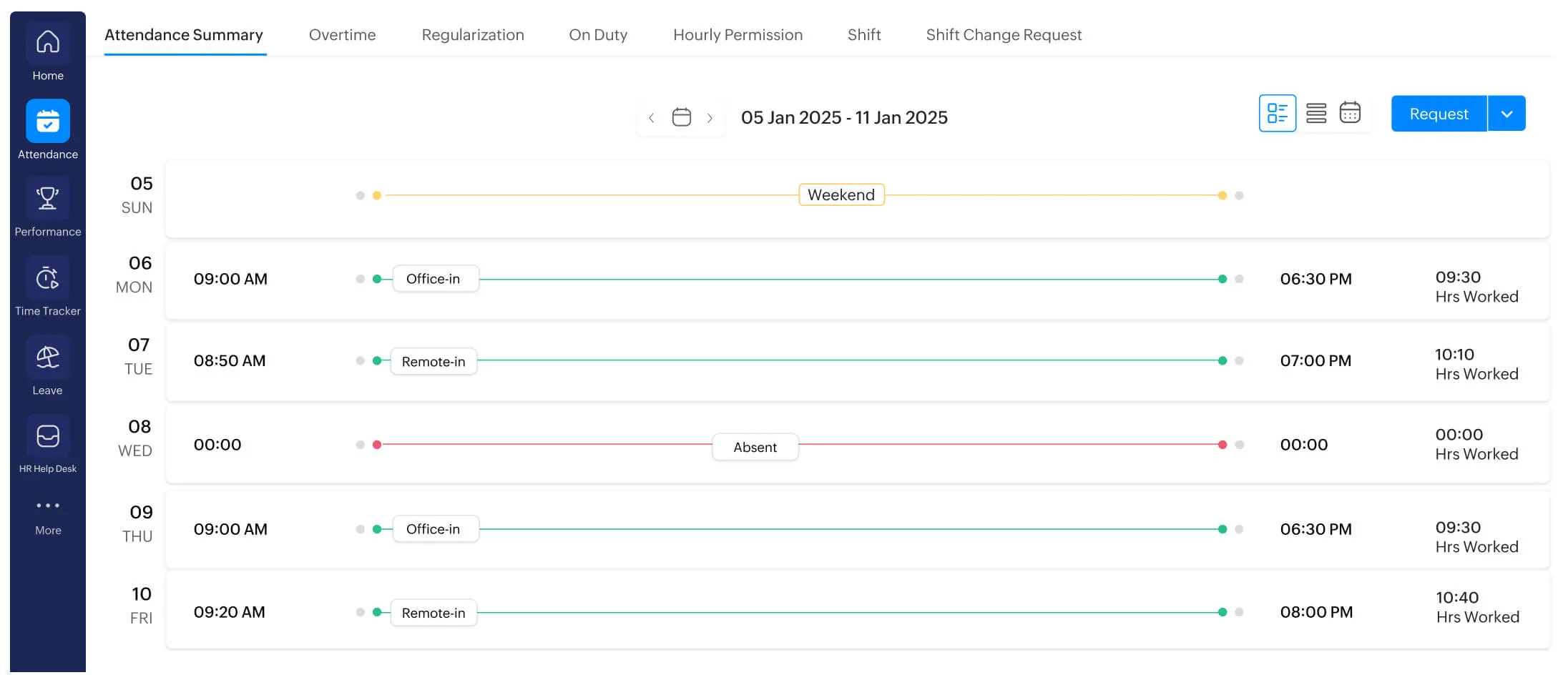
Best For: Growing businesses
Core Strength: Leave, attendance & workflow automation
Zoho People is a cloud-based HR automation software that integrates seamlessly within the broader Zoho ecosystem. It focuses on automating leave management, attendance tracking, shift scheduling, and employee record management. The platform is highly flexible and suitable for businesses that want customizable workflows and third-party integrations. With scalable pricing and cloud accessibility, Zoho People supports companies transitioning from manual HR processes to digital automation.
5️⃣ greytHR
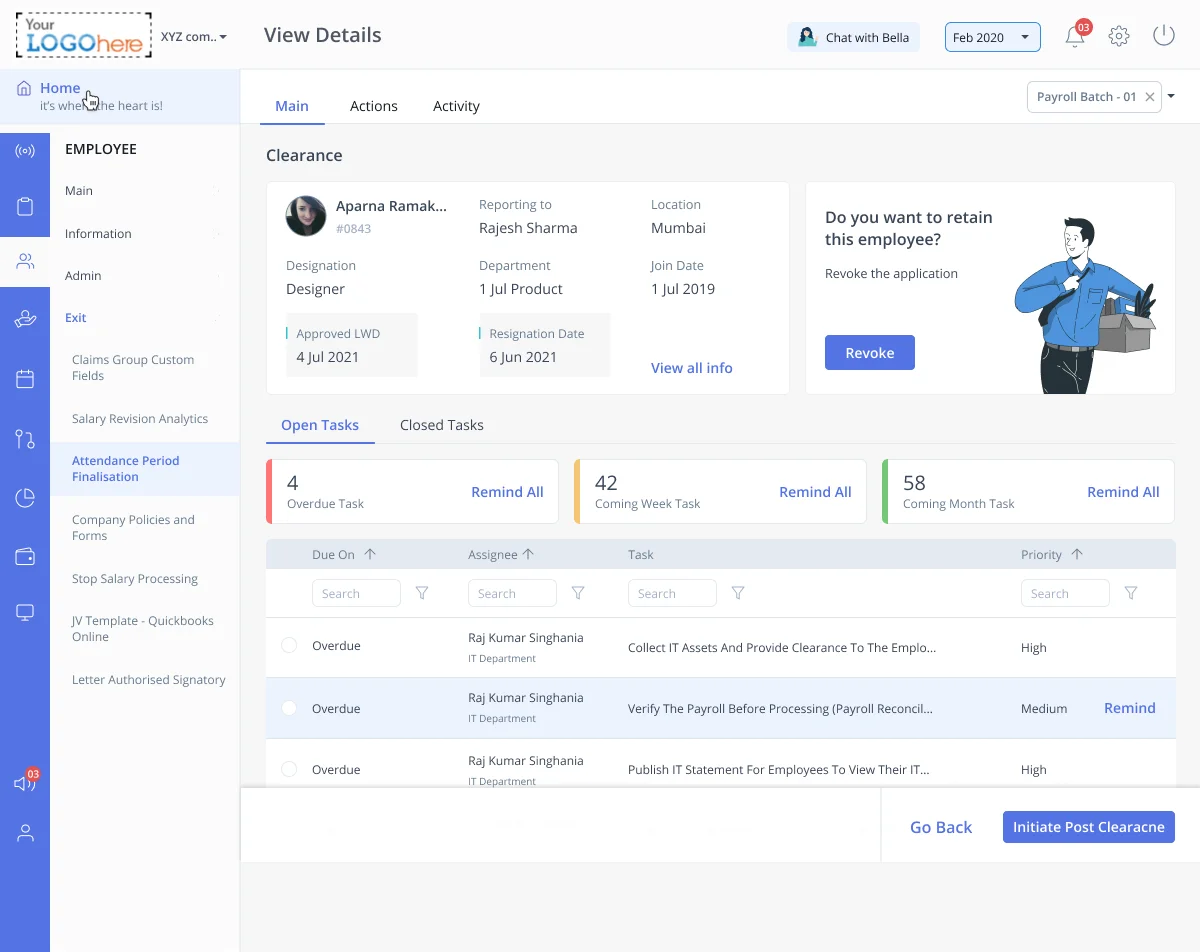
Best For: Payroll-focused organizations
Core Strength: Statutory compliance + payroll automation
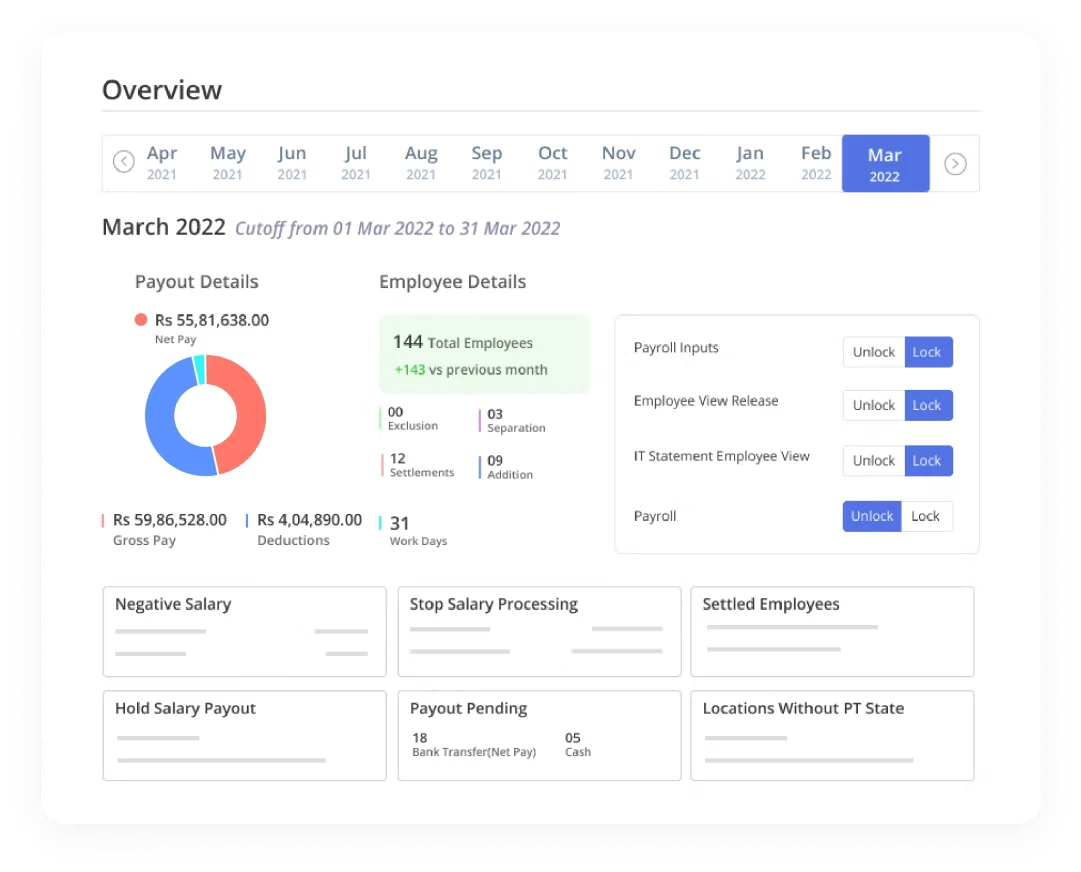
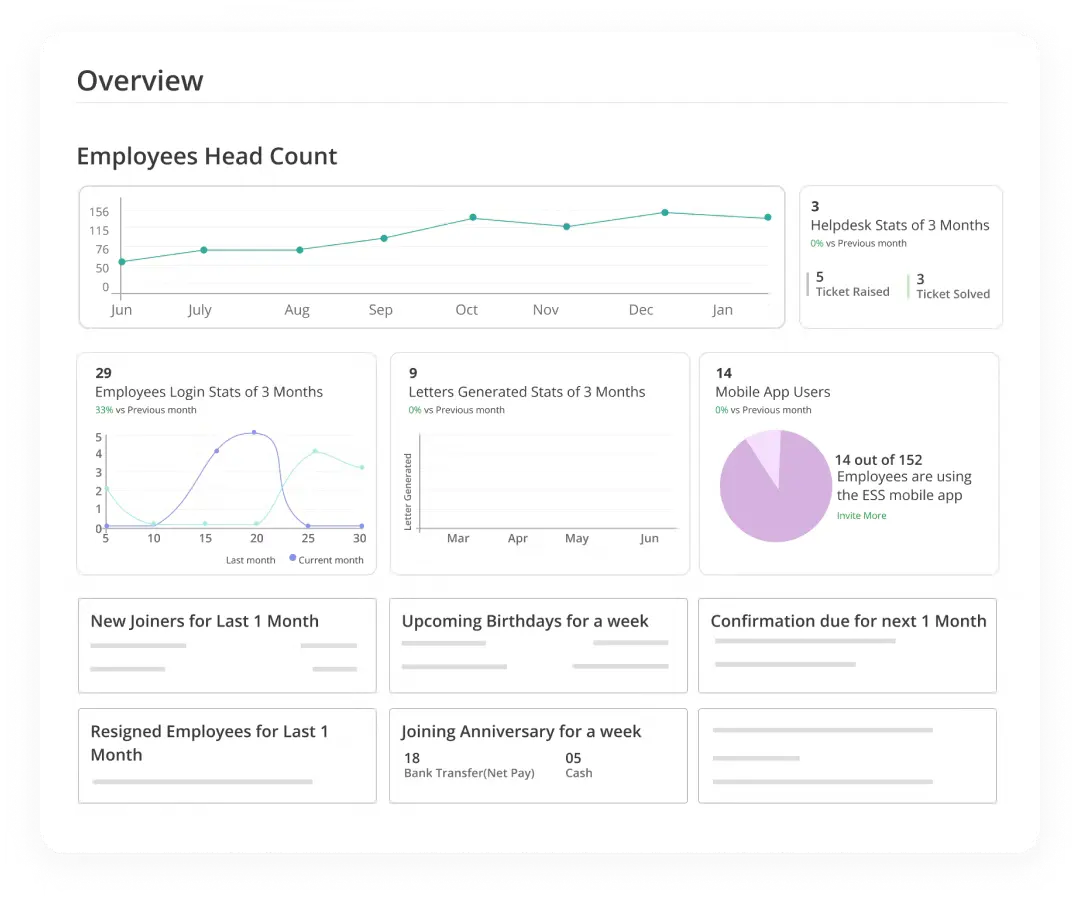

greytHR is an HR automation tool, specifically designed for payroll management, which many organizations facing high regulatory compliance requirements use. It helps organizations automate salary processing, statutory compliances, tax calculations, and labor compliances. With this tool, organizations can reduce payroll processing errors and ensure timely compliance with government regulations. It is particularly useful for organizations in industries facing high regulatory compliance requirements. It includes a payroll engine and helps organizations comply with regulations, making it easier for HR teams.
6️⃣ SAP SuccessFactors
Best For: Global enterprises
Core Strength: End-to-end enterprise HR automation
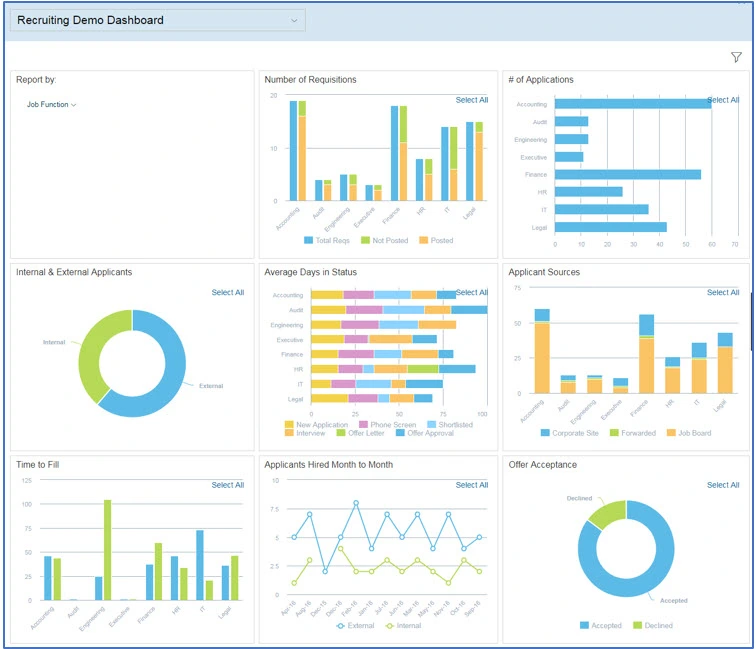
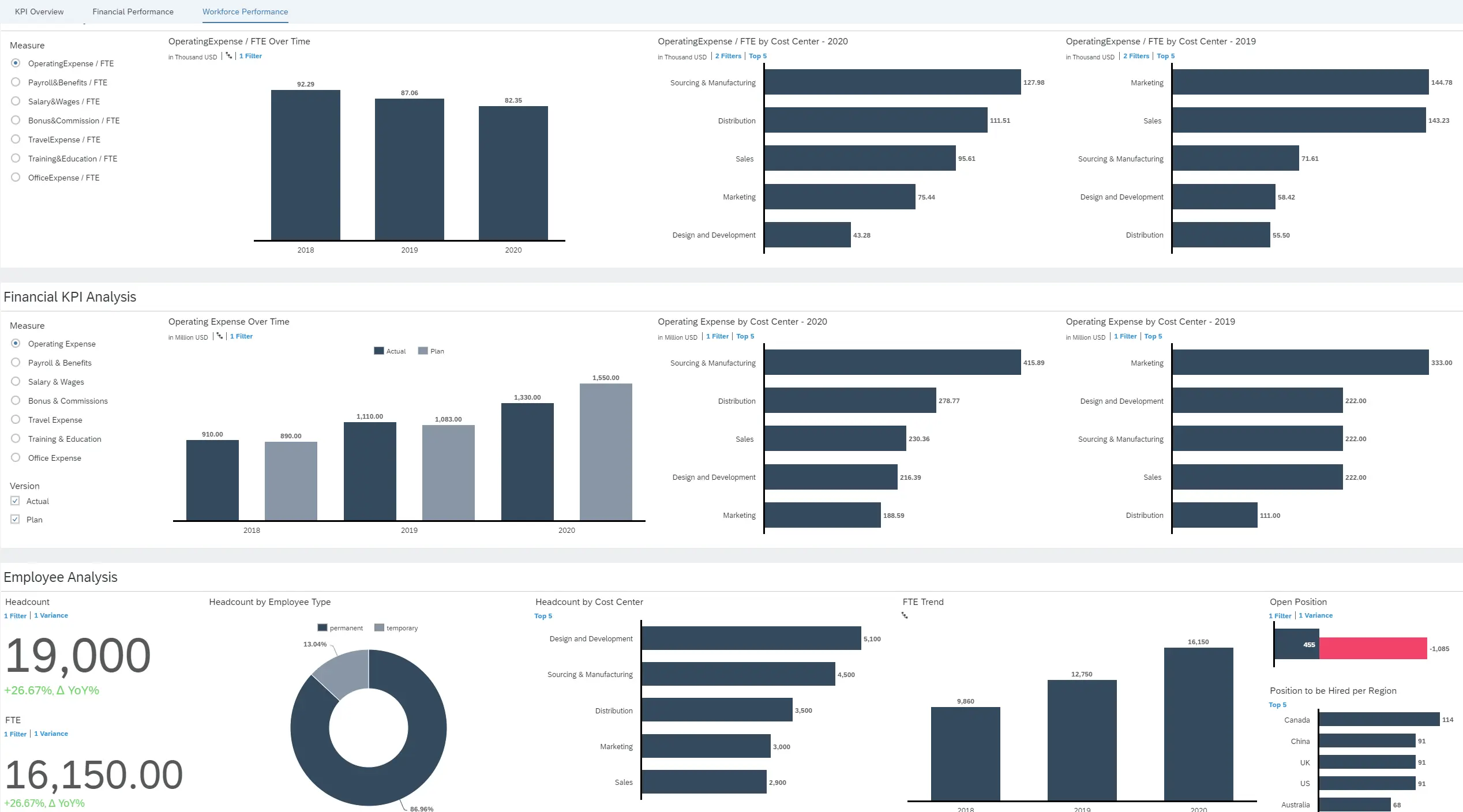
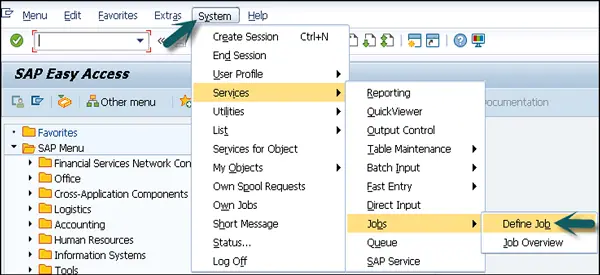
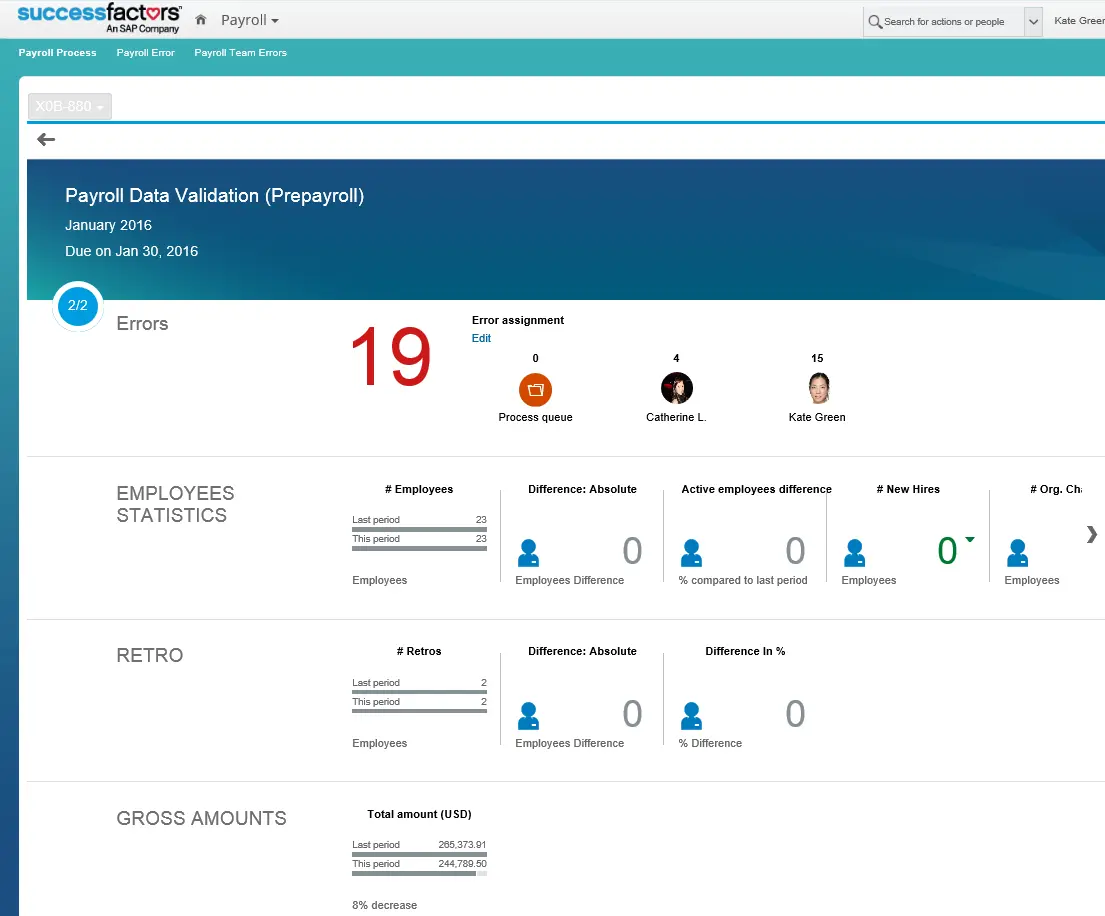
SAP SuccessFactors is an all-in-one HR automation solution designed for large, global organizations. The solution combines core HR, talent management, workforce analytics, succession planning, and global compliance in one system. The company is known for its rich data insights and integration with other SAP systems, which can help global organizations with their multi-country compliance requirements while allowing them to scale their HR systems.
7️⃣ Workday
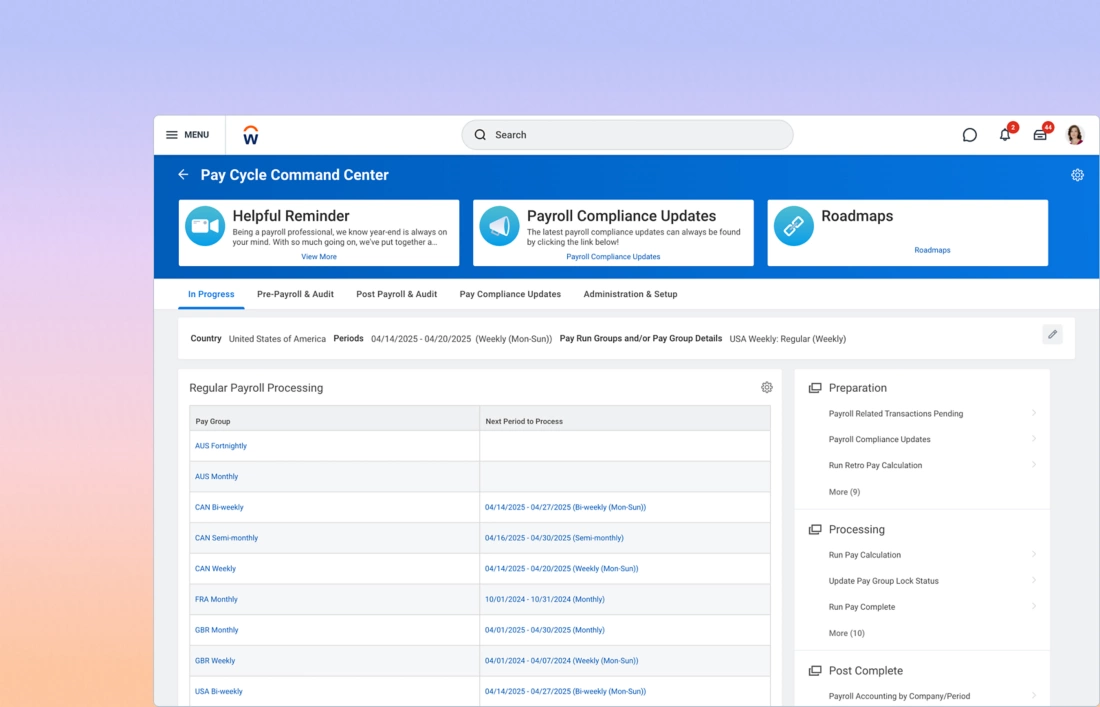
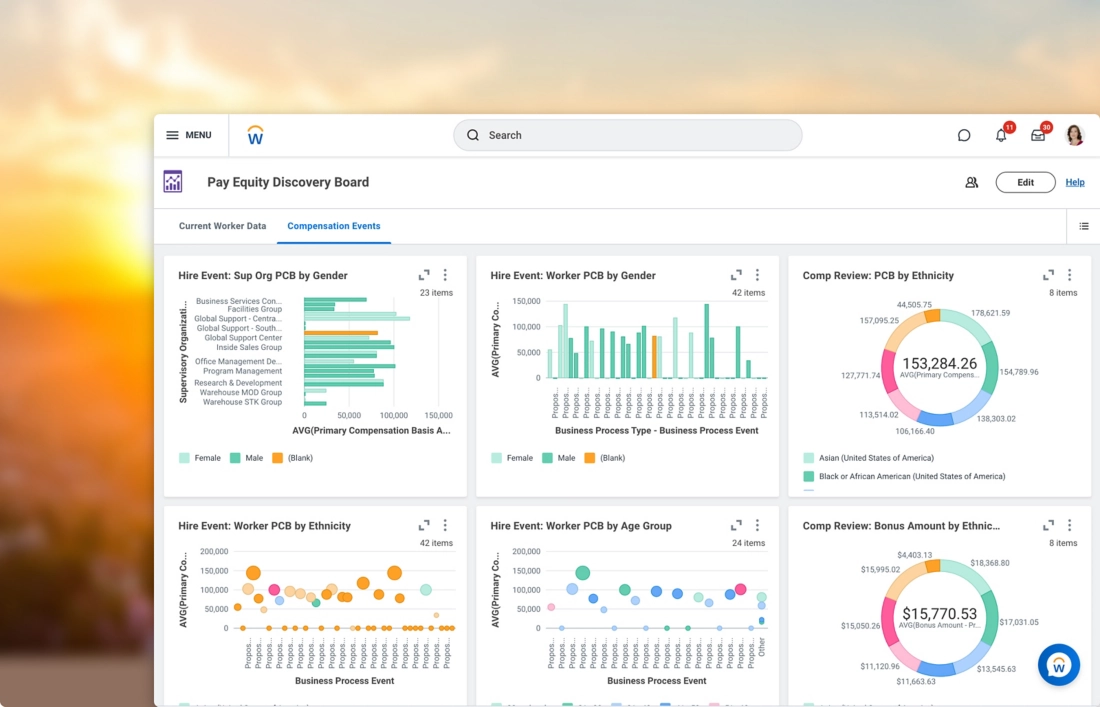
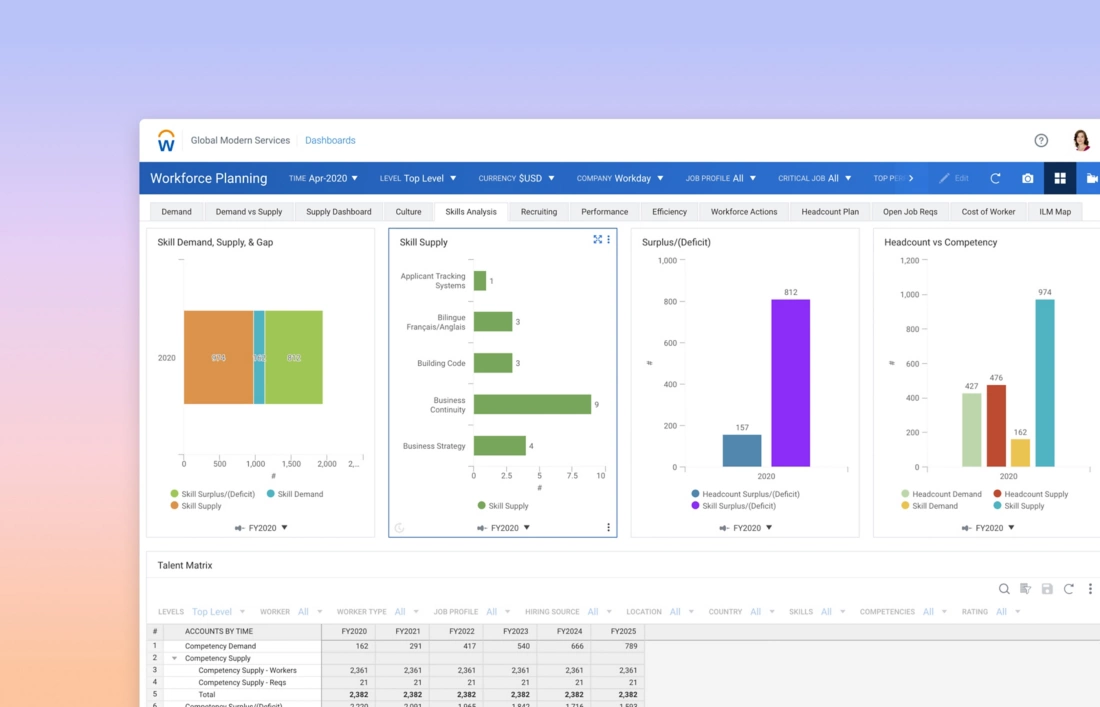
Best For: Large multinational companies
Core Strength: Finance + HR automation integration
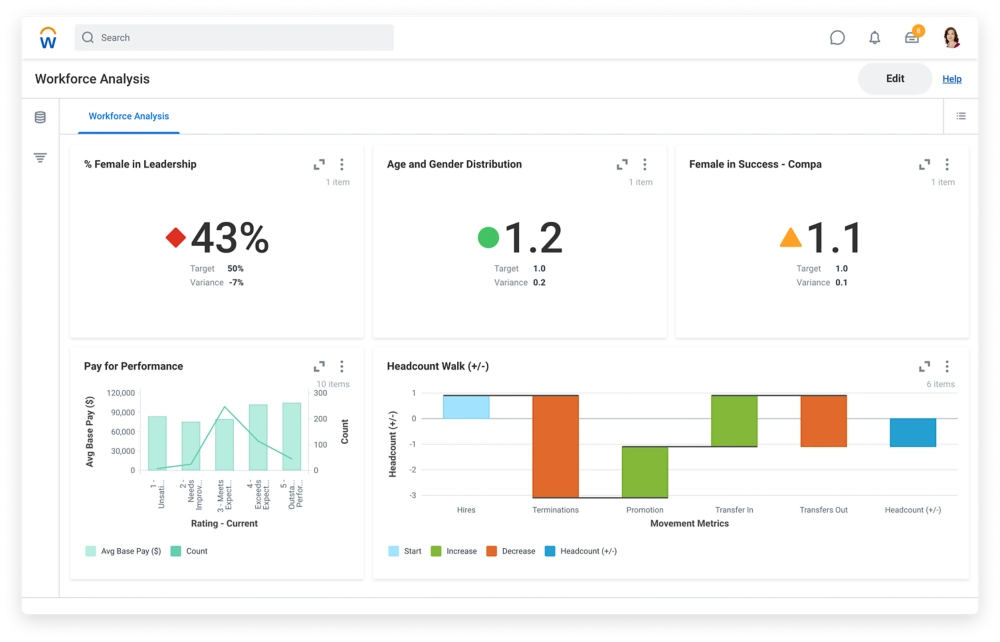
It combines human capital management and financial processes in an automated manner. It offers features such as workforce planning, payroll automation, and analytics. Real-time processing of data allows organizations to connect their human capital strategy with financial planning. However, this is only possible in larger enterprises that require an integrated human capital and financial management solution.
8️⃣ BambooHR
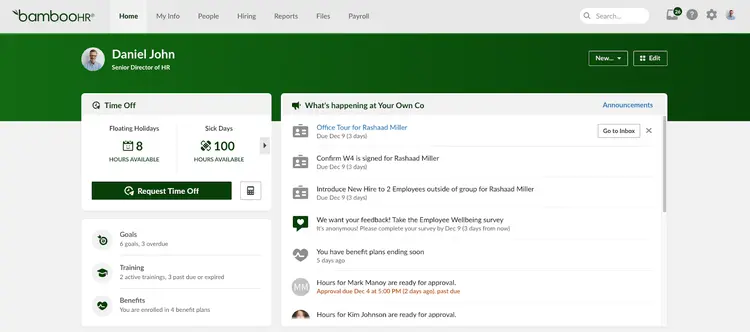
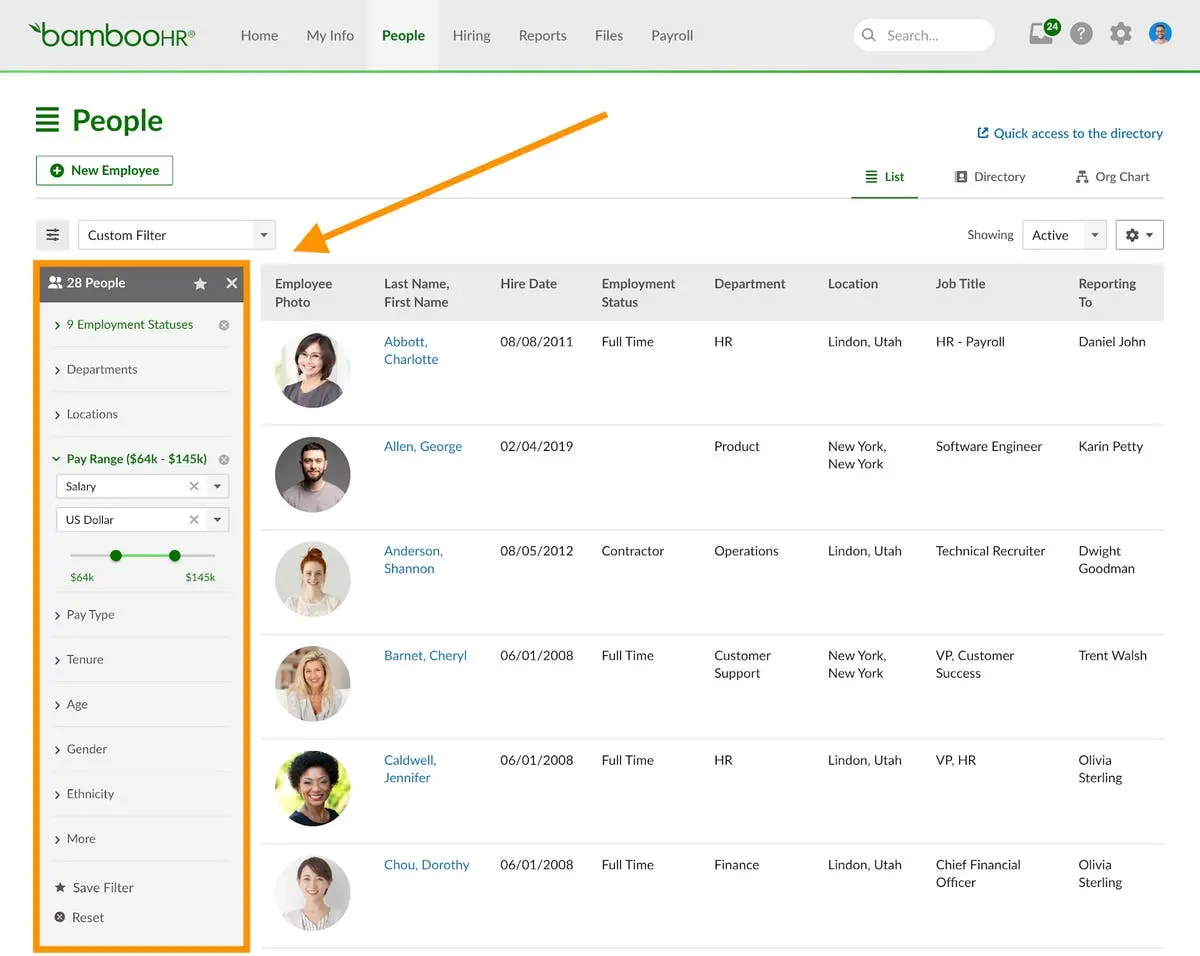
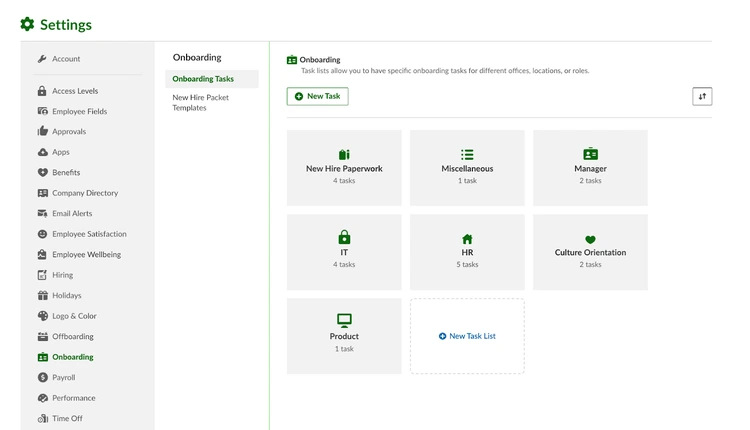
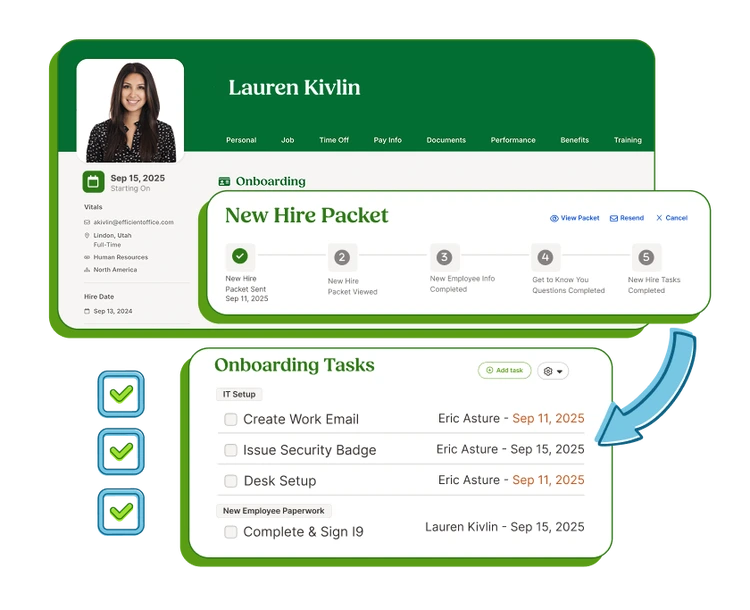
Best For: Small to mid-sized businesses
Core Strength: Onboarding + employee experience automation
Bamboo HR stands out for its people-centric approach to HR automation, simplifying onboarding, document management, and performance monitoring. The system’s intuitive interface and automation eliminate the noise and complexity often found in HR systems, making it simpler to manage HR operations. Bamboo HR assists small businesses in developing organized systems within their organizations while maintaining people and culture-oriented approaches.
9️⃣ Rippling
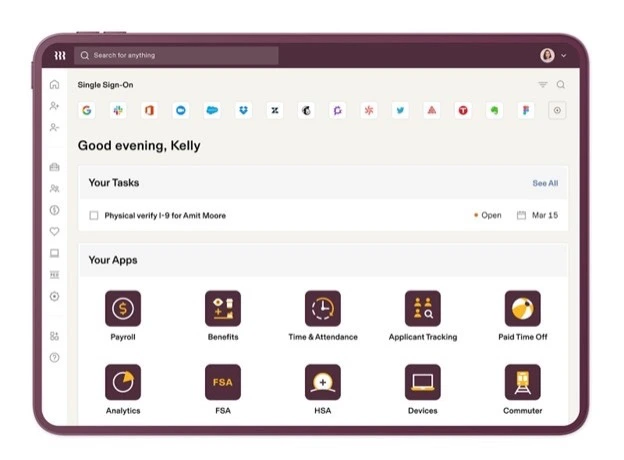
Best For: Tech-driven companies
Core Strength: HR + IT automation integration
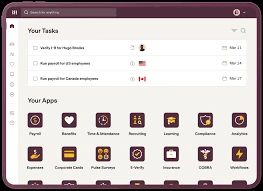
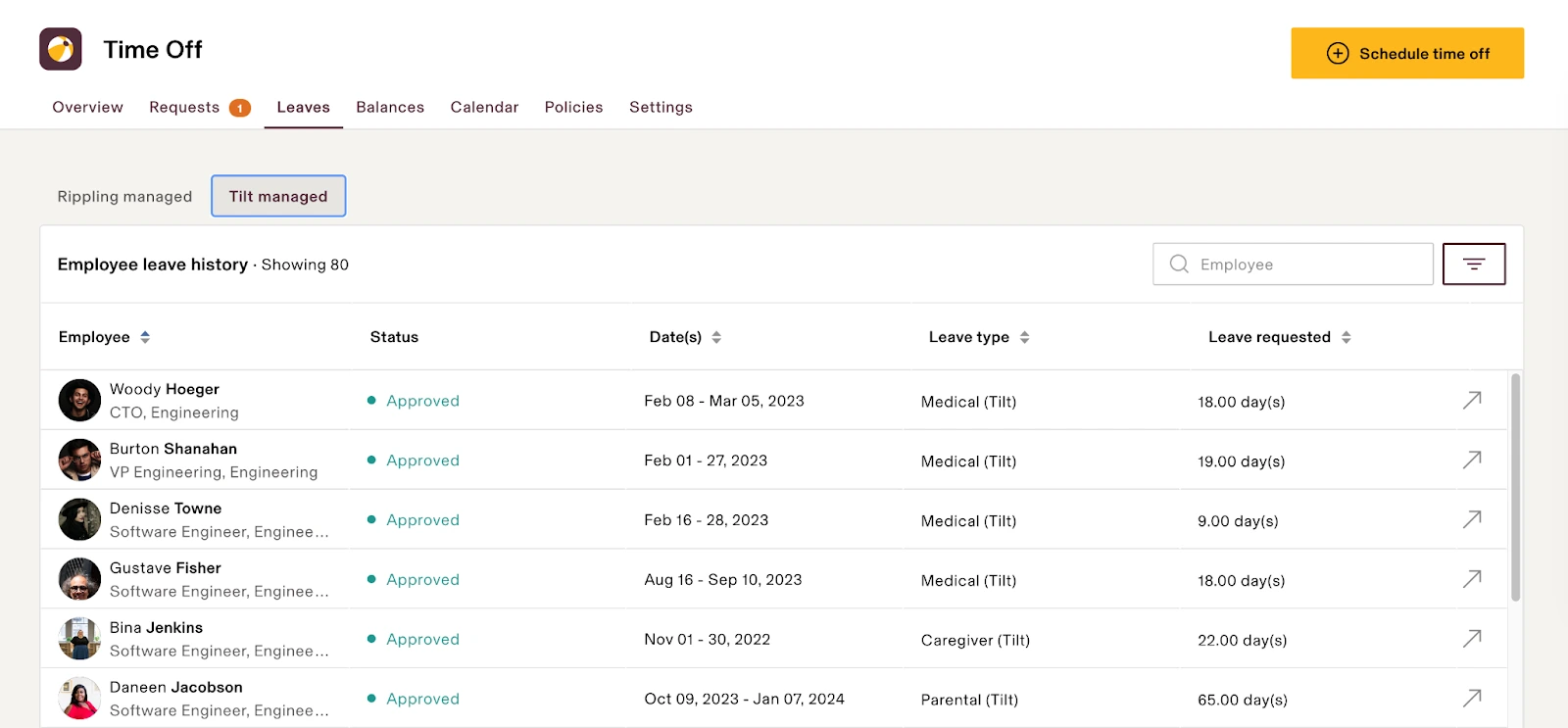
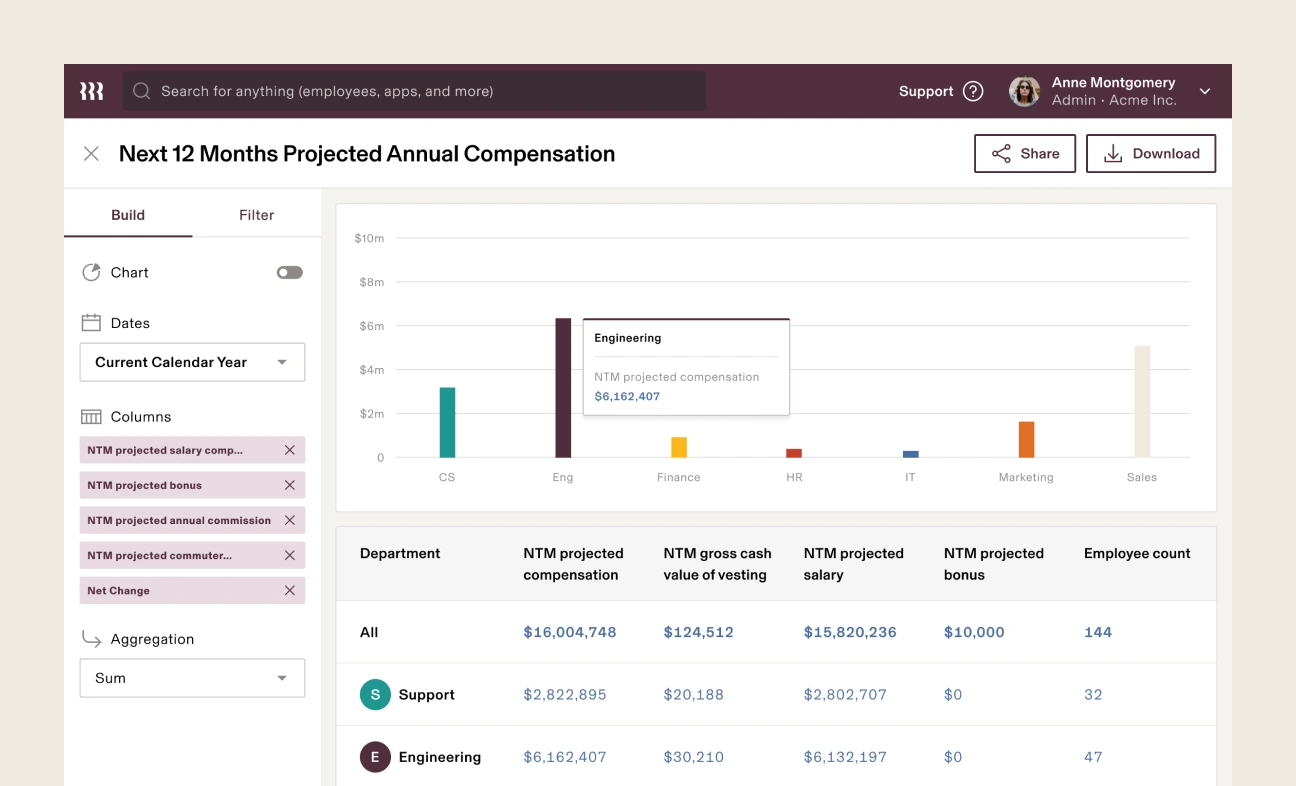
Rippling stands out from the competition due to its integration of IT and device automation with HR automation. In addition to payroll, benefits, and regulatory automation, Rippling also automates the provisioning of employee devices and software access. This makes it highly attractive to tech startups and distributed teams. Rippling enables organizations to manage HR, payroll, and IT operations from a single automated platform.
🔟 ADP Workforce Now
Best For: Payroll-intensive enterprises
Core Strength: Global payroll + compliance management
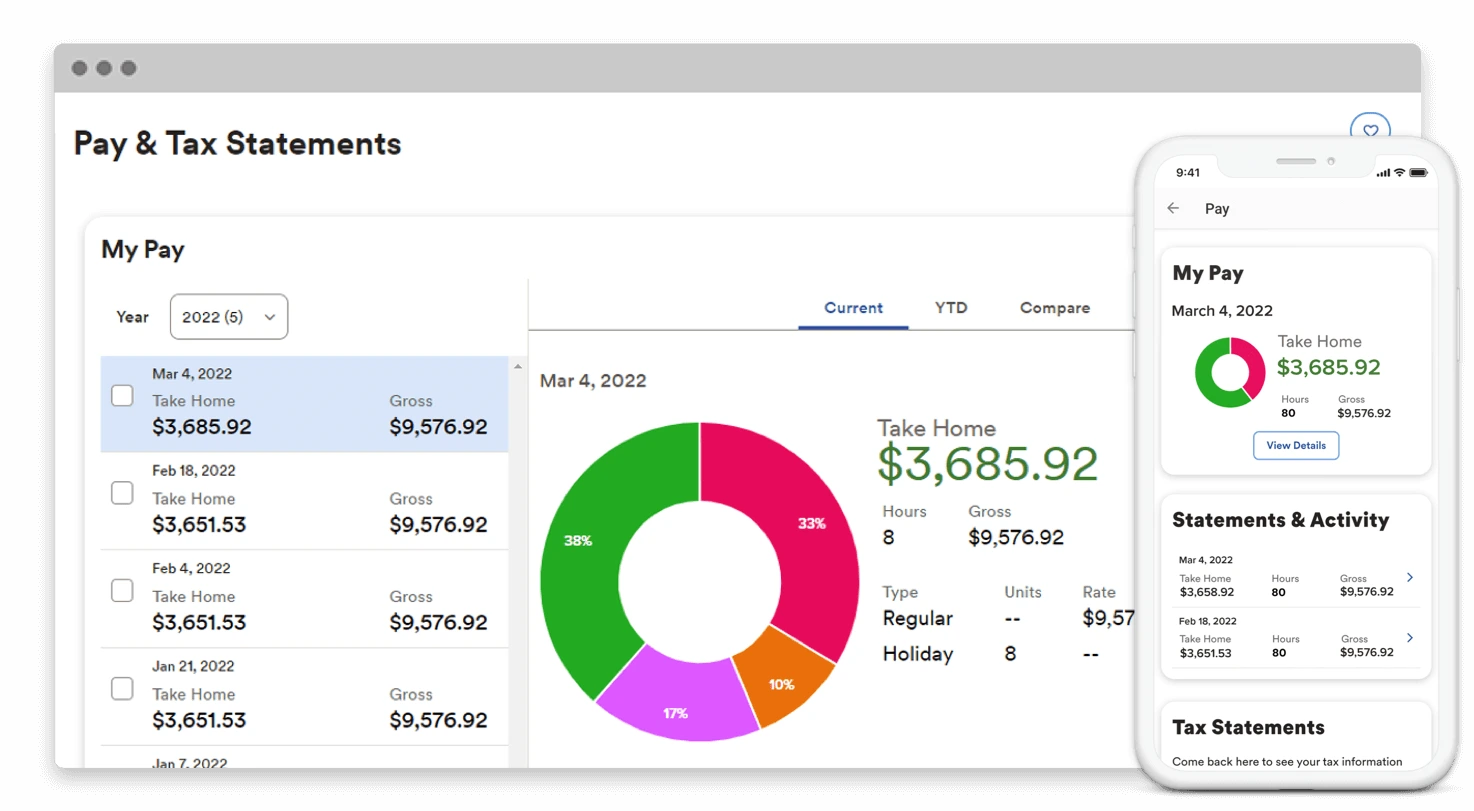
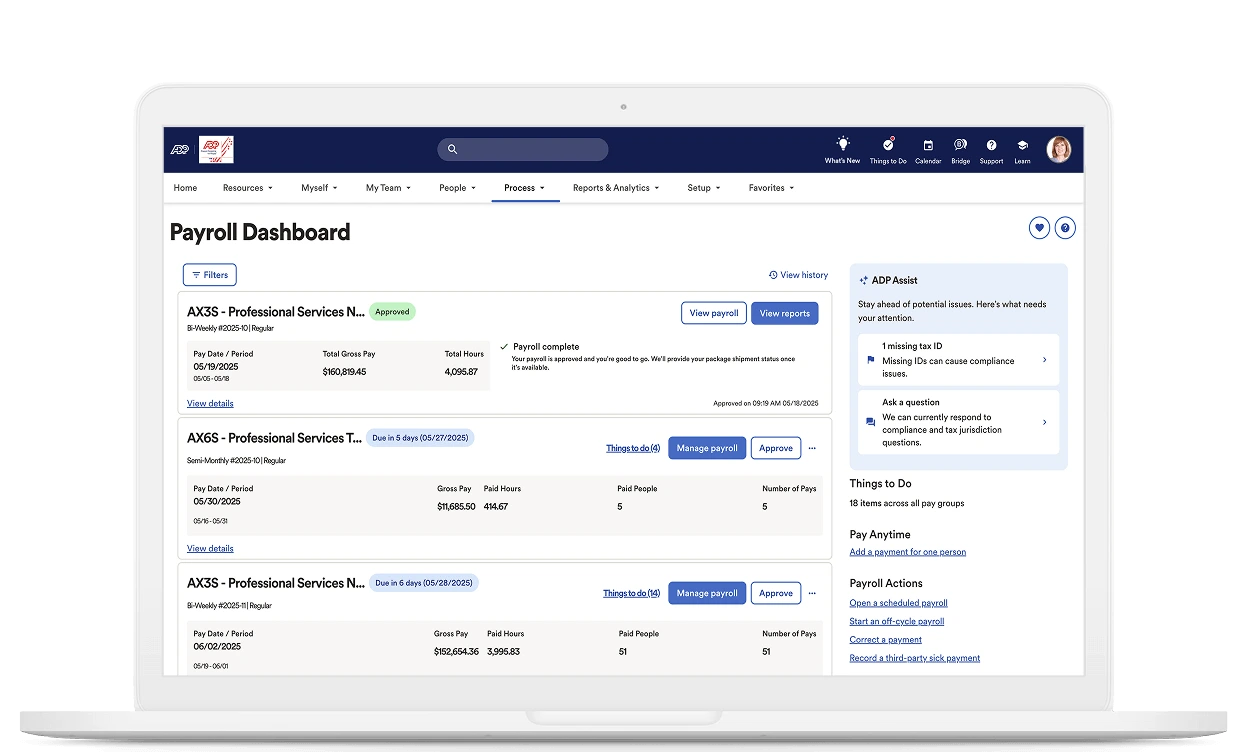
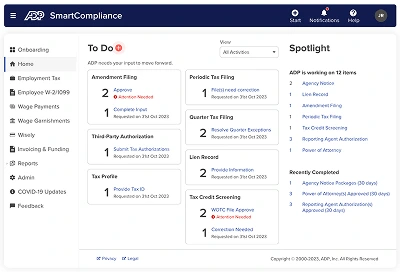
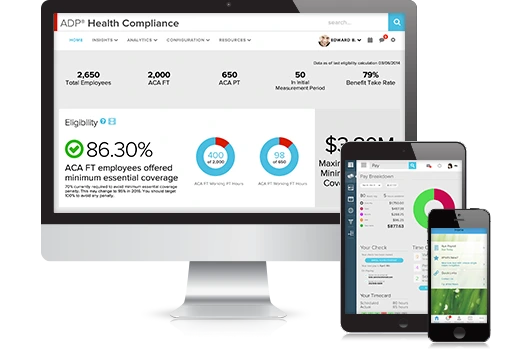
ADP Workforce Now is a globally recognized payroll automation platform built for enterprises with complex payroll structures. It offers advanced payroll processing, tax compliance, workforce analytics, and benefits administration. With decades of payroll expertise, ADP ensures regulatory compliance across multiple jurisdictions. Large organizations rely on ADP for secure, scalable, and highly accurate payroll automation solutions.
HR Automation Software Comparison (2026)
Quick Comparison Matrix (Top 10)
|
Software |
Best For |
Key Features |
Payroll Automation |
Integrations |
Starting Price* |
|---|---|---|---|---|---|
|
TankhaPay |
SMEs |
Payroll, Compliance, Attendance |
✅ Yes |
Govt Portals, HRMS |
Custom |
|
Darwinbox |
Enterprises |
Core HR, Talent Mgmt |
⚠ Partial |
ERP, CRM |
Custom |
|
Keka |
Mid-size |
Payroll + Performance |
✅ Yes |
Accounting Tools |
₹ Per Employee |
|
Zoho People |
Growing Firms |
Leave, Attendance |
⚠ Add-on |
Zoho Suite |
₹ Per User |
|
greytHR |
Payroll Focus |
Compliance + Payroll |
✅ Yes |
Accounting Software |
₹ Per Employee |
|
SAP SuccessFactors |
Global Enterprises |
Talent + Global HR |
✅ Yes |
SAP Ecosystem |
Custom |
|
Workday |
MNCs |
HR + Finance Integration |
✅ Yes |
ERP Systems |
Custom |
|
BambooHR |
SMBs |
Onboarding + HRMS |
⚠ Limited |
HR Tools |
Custom |
|
Rippling |
Tech Firms |
HR + IT Automation |
✅ Yes |
Finance + IT Tools |
Custom |
|
ADP Workforce Now |
Payroll Enterprises |
Global Payroll |
✅ Yes |
Accounting + ERP |
Custom |
How to Choose the Best HR Automation Software
Step 1: Identify Your HR Bottlenecks
Do payroll blunders take you by surprise? Are attendance management processes a real chore?
Step 2: Assess Company Size
If you’re a small startup, cost reduction would probably be at the top of the list. If you’re running a large enterprise, you’d probably appreciate the use of AI-driven analytics.
Step 3: Evaluate Integrations
Ensure it integrates smoothly with:
- Accounting software
- ERP systems
- Banking systems
Step 4: Check Security & Compliance Standards
Look for:
- Role-based access control
- Data encryption
- Audit trails
Step 5: Request Demo & Trial
Test it out and ensure it’s user-friendly.
Implementation Roadmap for HR Automation
- Audit existing HR workflows
- Define automation KPIs
- Migrate employee data
- Conduct training sessions
- Run parallel payroll cycle
- Monitor & optimize
Future Trends in HR Automation (2026–2028)
- AI-powered HR copilots
- Chatbot-based onboarding
- Predictive workforce planning
- Blockchain payroll validation
- Hyper-automation of compliance
Businesses adopting these innovations will stay competitive.
Final Thoughts
In 2026, HR automation software is no longer just about payroll. It’s about creating an intelligent, scalable, data-driven HR ecosystem.
The right HR automation tool can:
- Reduce operational costs
- Improve compliance accuracy
- Enhance employee satisfaction
- Support scalable business growth
Choosing the best HR automation software depends on your workforce size, industry, compliance needs, and long-term business goals.
FAQ
What are the 3 HR systems?
The key HR systems that organizations use are categorized as follows:
1) HRIS (Human Resource Information System) - It handles basic HR duties, payroll, attendance, and employee data.
2) HRMS (Human Resource Management System) -This is a broad system that extends the capabilities of HRIS and includes recruitment, engagement, and performance management.
3) HCM (Human Capital Management) - It is a comprehensive system that encompasses workforce planning, analytics, talent management, and succession planning.
In simple language, HRIS manages data, HRMS manages processes, and HCM focuses on the overall workforce strategy.
Who is the top HR in India?
There is no single “top HR” personality in India, as leadership reputations vary by industry and organization. However, some HR leaders have made their presence felt in the industry:
- Saurabh Govil – CHRO, Wipro
- TV Narendran – CEO & MD, Tata Steel (praised for his strong focus on people leadership)
- D Shivakumar – Former Group Executive President, Aditya Birla Group
In general, the “top HR” personalities are those driving large-scale workforce transformation, adopting digital HR, and influencing talent management strategies.
What are the 7 main areas of HR?
The seven HR domains are related to the organizational pillars but focus on the operations:
- Recruitment and Talent Acquisition
- Training and Development
- Payroll and Compensation
- Performance Management
- Employee Relations
- Compliance and Labor Law Management
- HR Analytics and Workforce Planning
The current state of HR automation integrates all the above domains into one system.
What are HR automation tools?
HR automation tools are software applications that help automate human resource-related tasks. These applications automate tasks such as:
- Processing payments and taxes
- Managing attendance and leaves
- Recruitment processes
- Performance appraisals and compliance statements.
- Managing employee data
By doing so, they eliminate paperwork, minimize compliance risks, improve accuracy, and provide real-time workforce information.
What is the best HR automation software for small businesses?
A small business's budget, growth plan, and compliance requirements are just a few of the variables that influence the best HR automation software choice. Here are a few well-liked choices:
- Zoho People: affordable and scalable for startups
- Keka: good payroll and performance management capabilities
- Darwinbox: an advanced HRMS solution with robust automation capabilities
- BambooHR: a world favorite for small to mid-sized businesses
When selecting an HR automation software, small businesses must consider ease of use, automated compliance capabilities, payroll integration, and scalability.
Why is HR automation important for growing businesses?
HR automation can scale with the size of the workforce, handling increasing complexity without requiring an equivalent increase in HR staff. It increases payment accuracy, reduces errors, enables timely filings, and provides insights that support informed decision-making. Most importantly, it allows HR professionals to concentrate on strategy rather than being tied up with administrative work.
Can HR automation improve compliance management?
Yes, compliance rules are directly incorporated into workflows. In addition, they automatically compute statutory deductions (PF, ESIC, and PT in India), produce reports, monitor paperwork, and notify users when due dates are approaching. When teams are geographically scattered across multiple states or locations, this greatly lowers the likelihood of fines, misfiling, and litigation.
Is HR automation suitable for small and mid-sized companies?
Definitely. Modern HR automation tools are designed to scale, with flexible pricing and modular functionality. For small and medium-sized businesses, this means less administrative clutter, easier payroll, clearer performance reviews, and a better employee experience, all without the need for a large HR staff and infrastructure.
What features should you look for in HR automation software?
When selecting HR automation software, look for a system that automates the entire payroll process. Some of the features that you should look for in the software include:
- End-to-end payroll automation
- Attendance and leave management
- Recruitment and onboarding processes
- Performance management
- Compliance management and reporting
- Employee self-service portal
- Real-time analytics and dashboards
The best system should manage all HR data in one place and scale as your organization grows.




Great read—clear and insightful. Choosing the right online attendance management system can save time, reduce errors, and improve workforce accountability. Thanks for sharing such helpful information!